

CAREEM · UBER · RIDES, CAPTAINS & MARKETPLACE · MENA
The org said iterate. The research said the
problem was different.
Head of Product Design - Rides & Captains / Designer
I worked hands-on and led multiple teams when GTV was slipping, drivers were leaving and competitor products was treated as the answer.
ROLE
12 designers in UAE, Pakistan & Europe · 10 markets
Mobile Super-app · Product strategy · External stakeholder alignment · Org alignment · Research · Team management
SCOPE
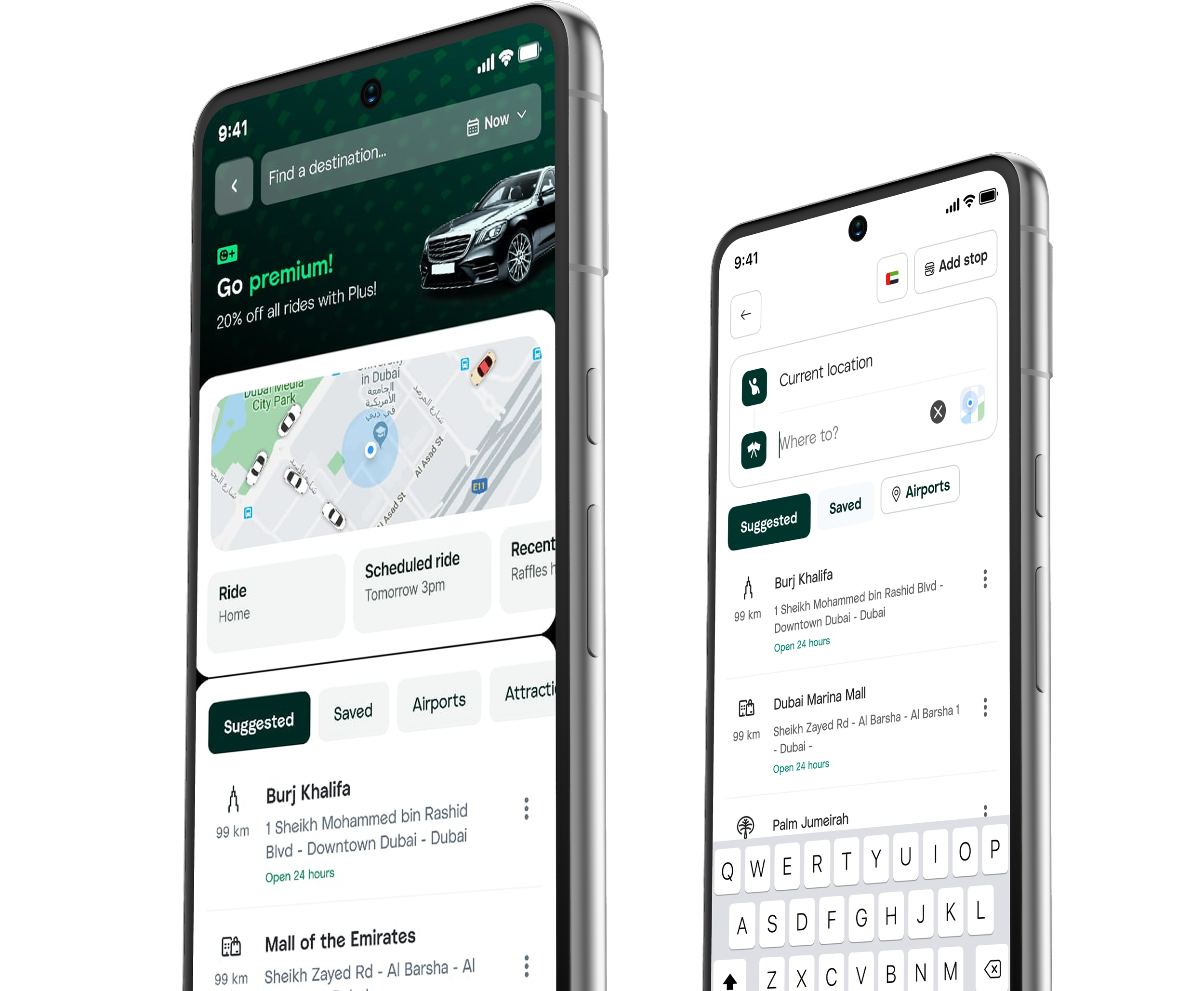
AFTER ONE MONTH
10
Markets launched
12%
Increase in rides completion
23%
Fewer driver related cancelations
95%
CSAT scores improved
THE PROBLEM
Copying competitors meant inheriting the wrong assumptions.
The conclusion inside the business was simple, competitors were winning because their product was better.
Teams started copying flows, features and UX. That diagnosis was understandable. It was also wrong. Careem operated in different conditions, with different user behaviours and different stakes. Improving the wrong thing wouldn’t close the gap. It would deepen it
THE LEADERSHIP CHALLENGE
The organisation was optimising for speed, not for trust.
Speed became the default response
Shipping faster was the answer to slipping performance. Every team was under pressure to move quickly and improve metrics.
Copying competitors felt like the safest path
Flows, features and UX were lifted from market leaders. It reduced risk, but carried the wrong assumptions.
Research showed the problem was different
It wasn’t flow quality. Trust had broken down across both sides of the marketplace.
Moving against momentum
We slowed down, questioned assumptions and reset direction. Fixing the right problem mattered more than moving faster.
THE STRATEGIC SHIFT
I stopped copying features and rebuilt trust into the system.
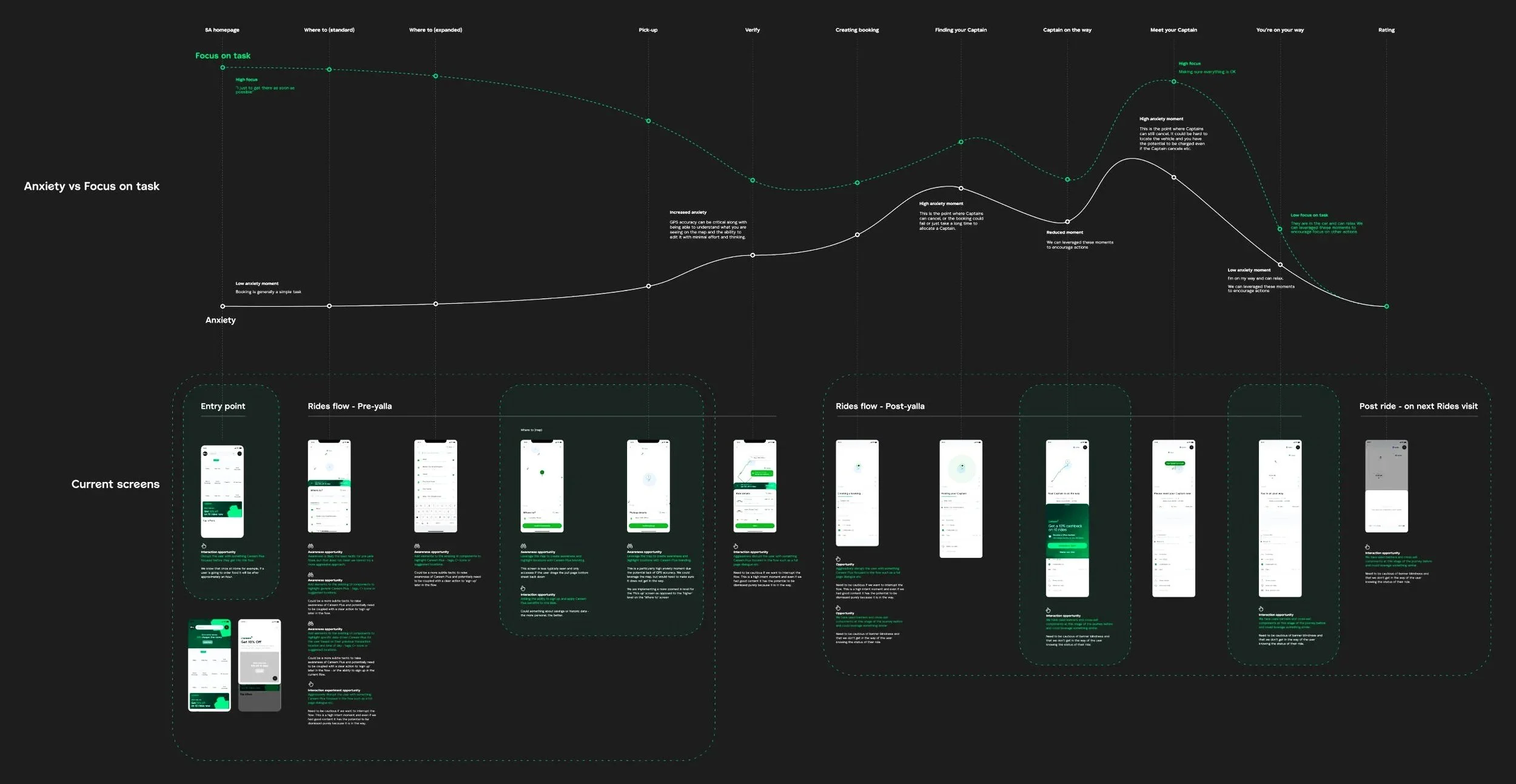
I led a rapid research effort while continuing to design. We redesigned the core experiences around moments of lost trust (cancellations, pickups, earnings transparency, communication).
I worked hands-on across 10 designers while aligning stakeholders across 10 markets.
This wasn’t a UI update, it was a systematic rebuild of the interaction model and how the product behaved.

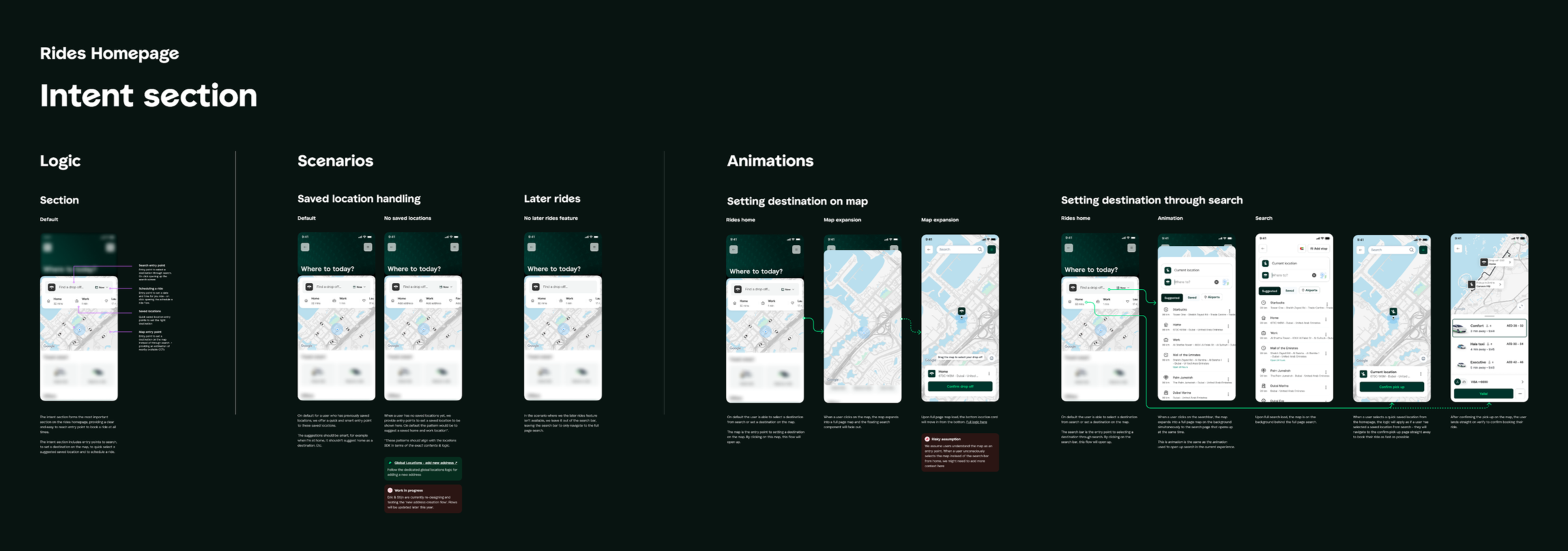
REBUILDING TRUST
Once the diagnosis was clear, the direction changed.
The goal was no longer to copy competitor features, it was to rebuild trust in the system. Three changes followed directly from that diagnosis - the product became reliable, predictable and easier to trust.
01
Rides became more reliable
140+ mobility features were rebuilt around reliability.
Better pickup accuracy, clearer communication and fewer failed journeys
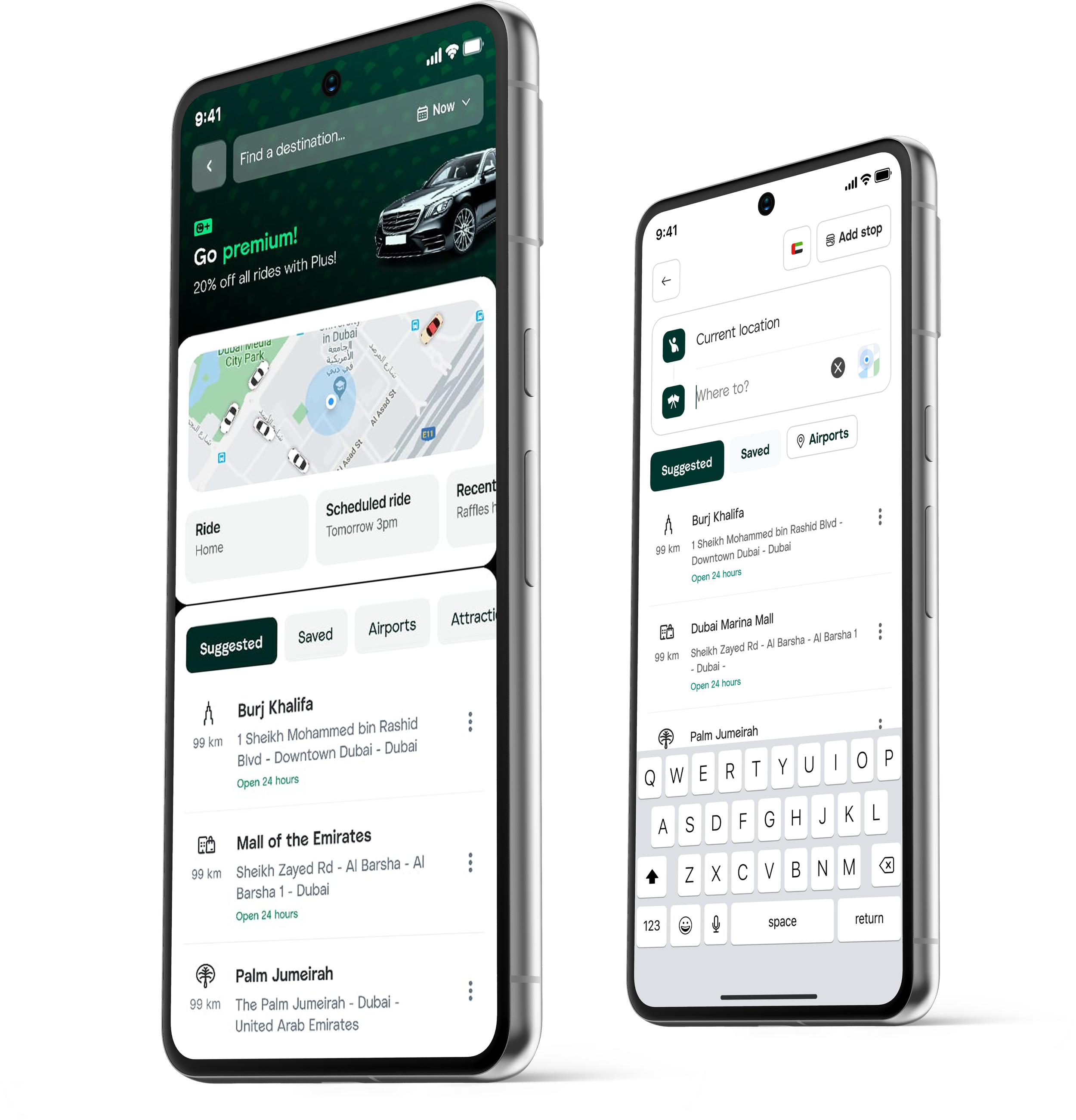
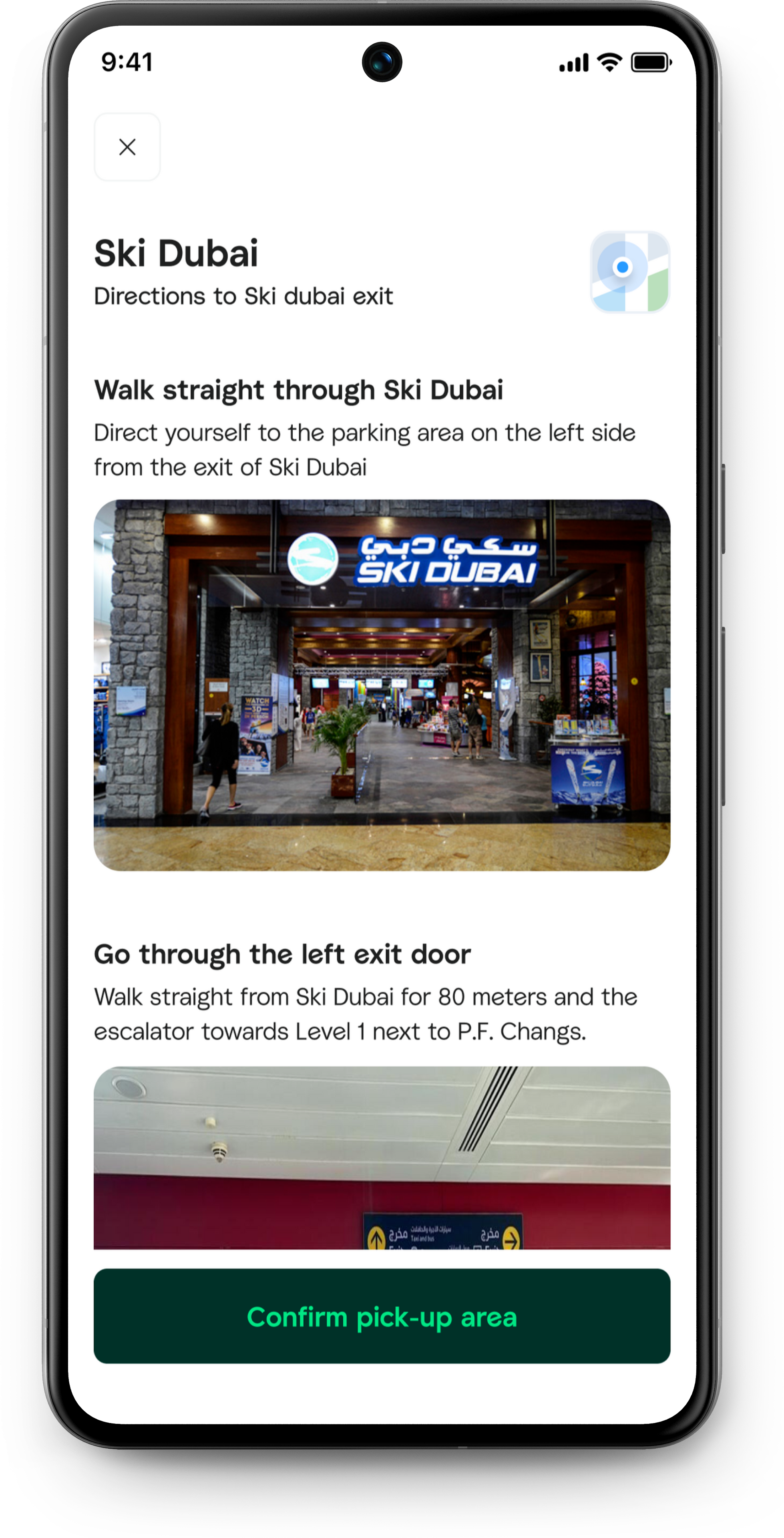
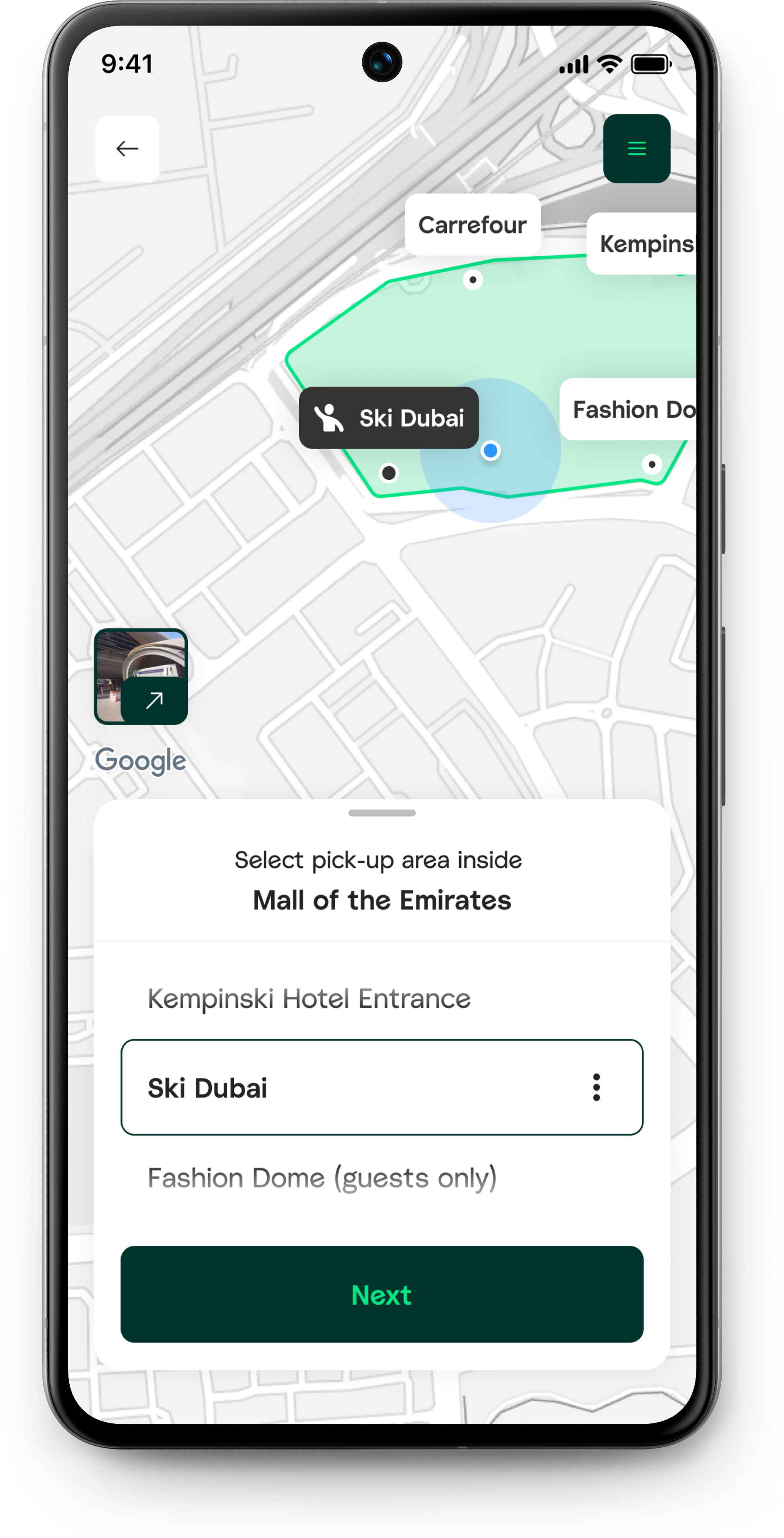
Improved location logic reduced pick-up cancellations by 23%
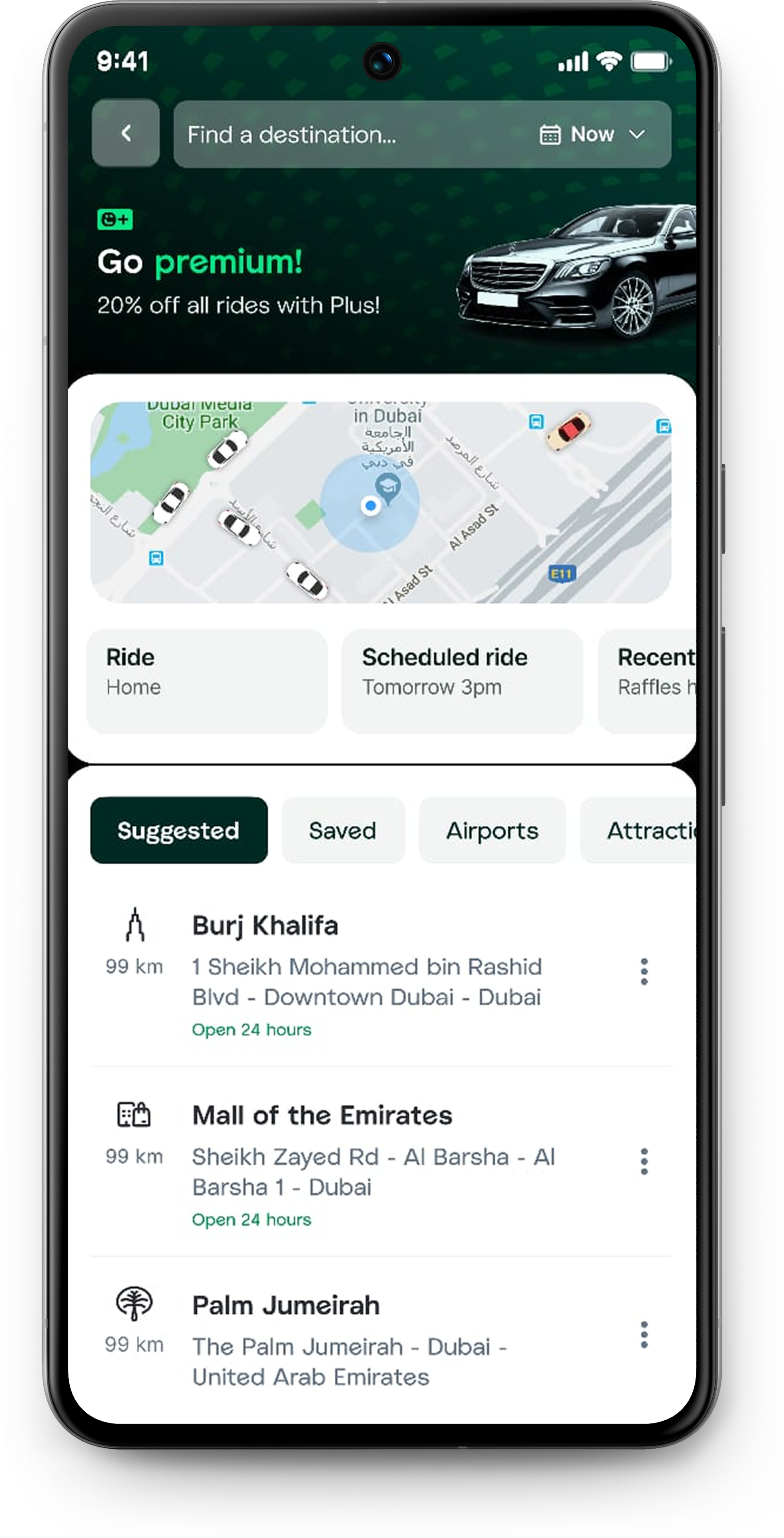
Airport, mall and venue directions got smarter
Leave notes on locations and for drivers
Updated walking instructions to remove confusion
Intelligent location defaults to save time and money
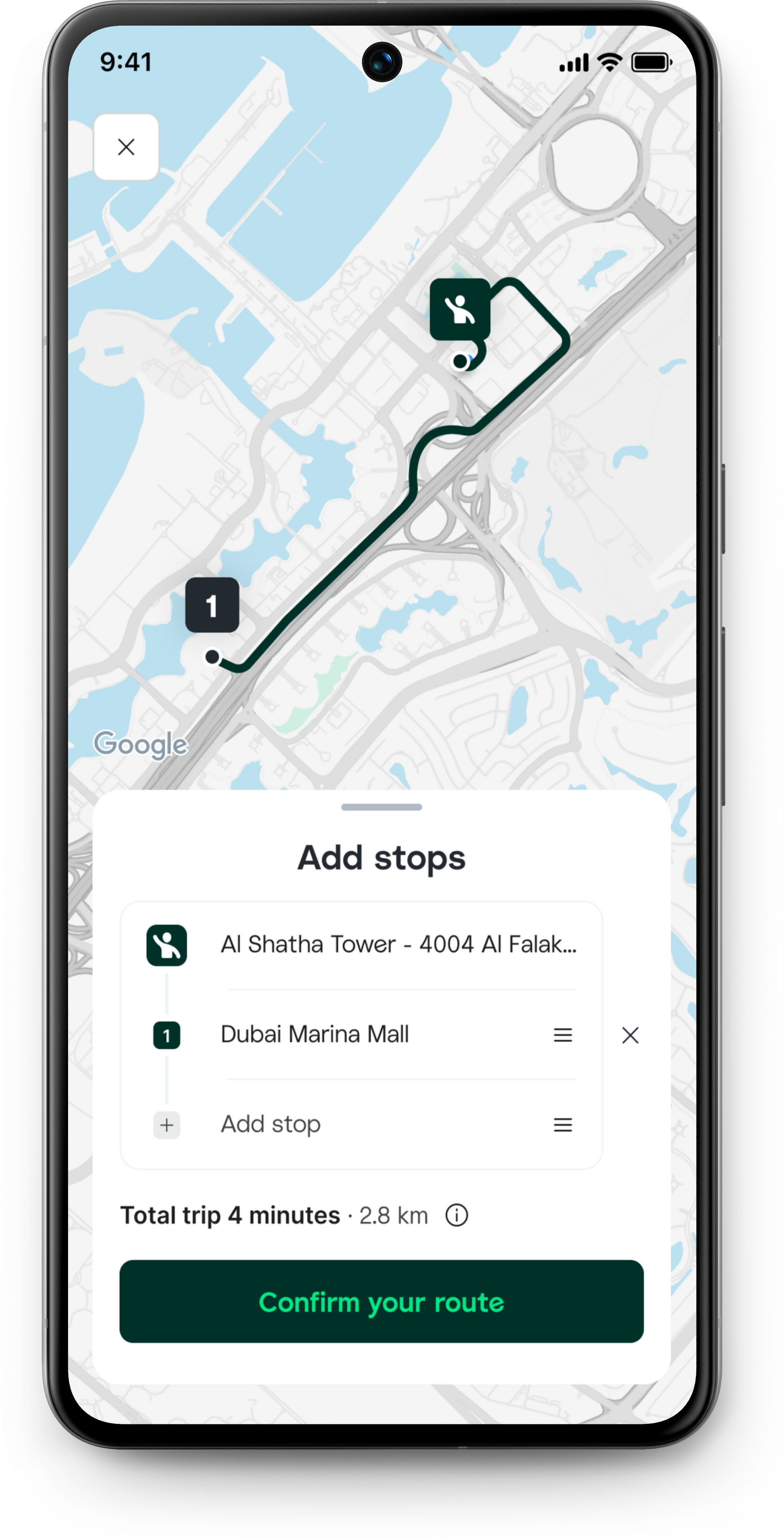
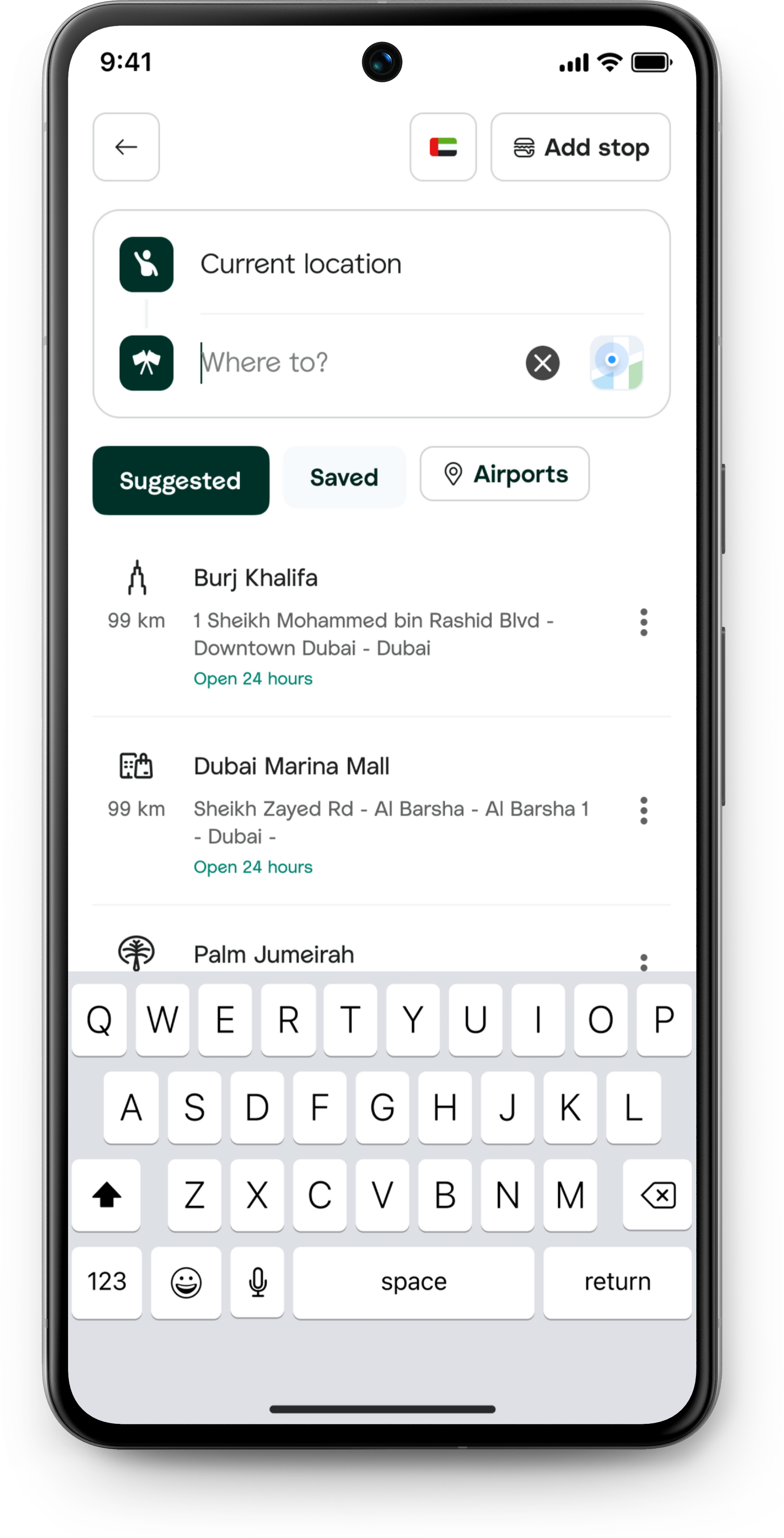
Filling gaps that customers were crying out for
Improved search experience and smarter defaults
Opening hours of locations to avoid disappointment
(Finally) adding multi-stop rides to stay competitive and improve retention
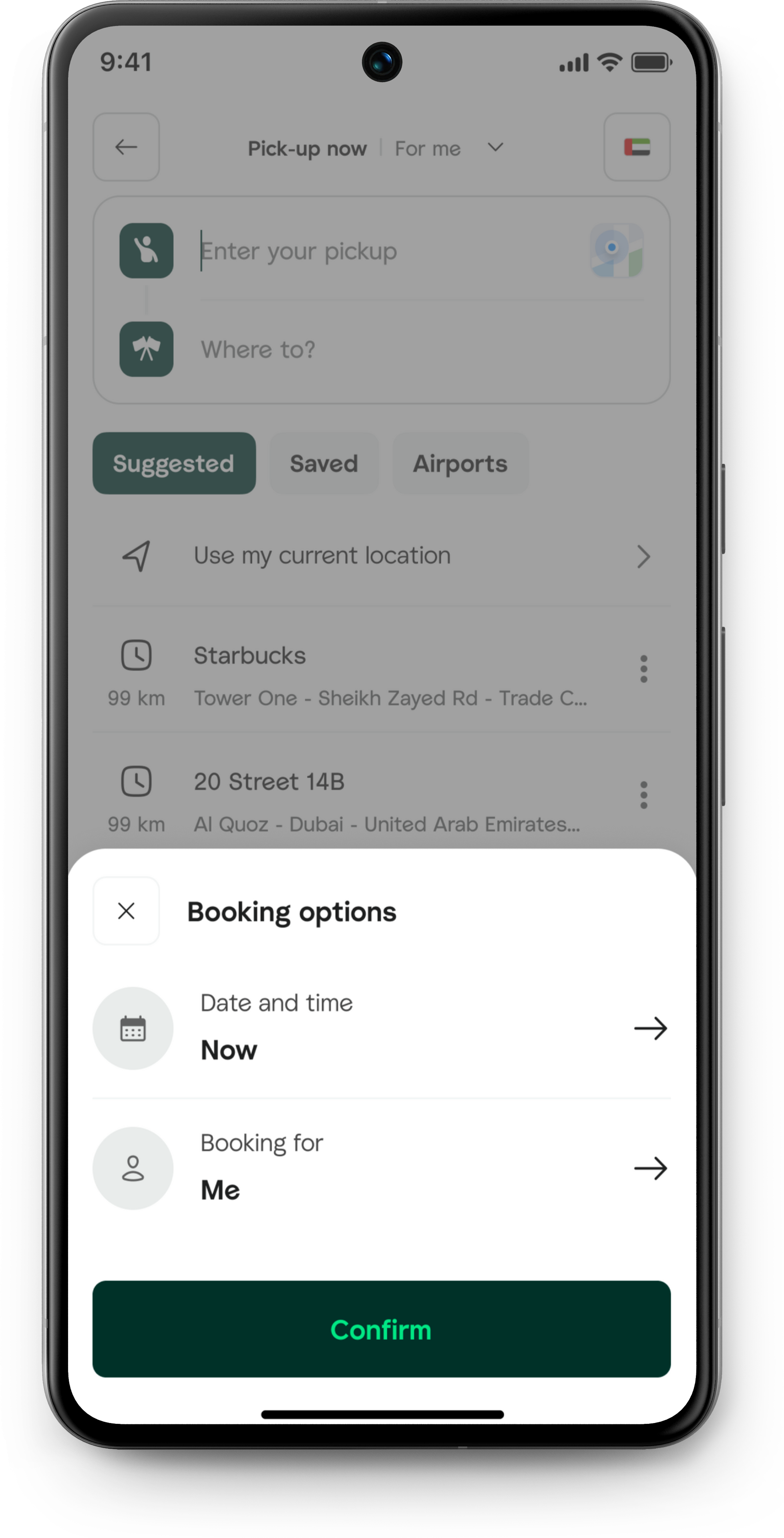
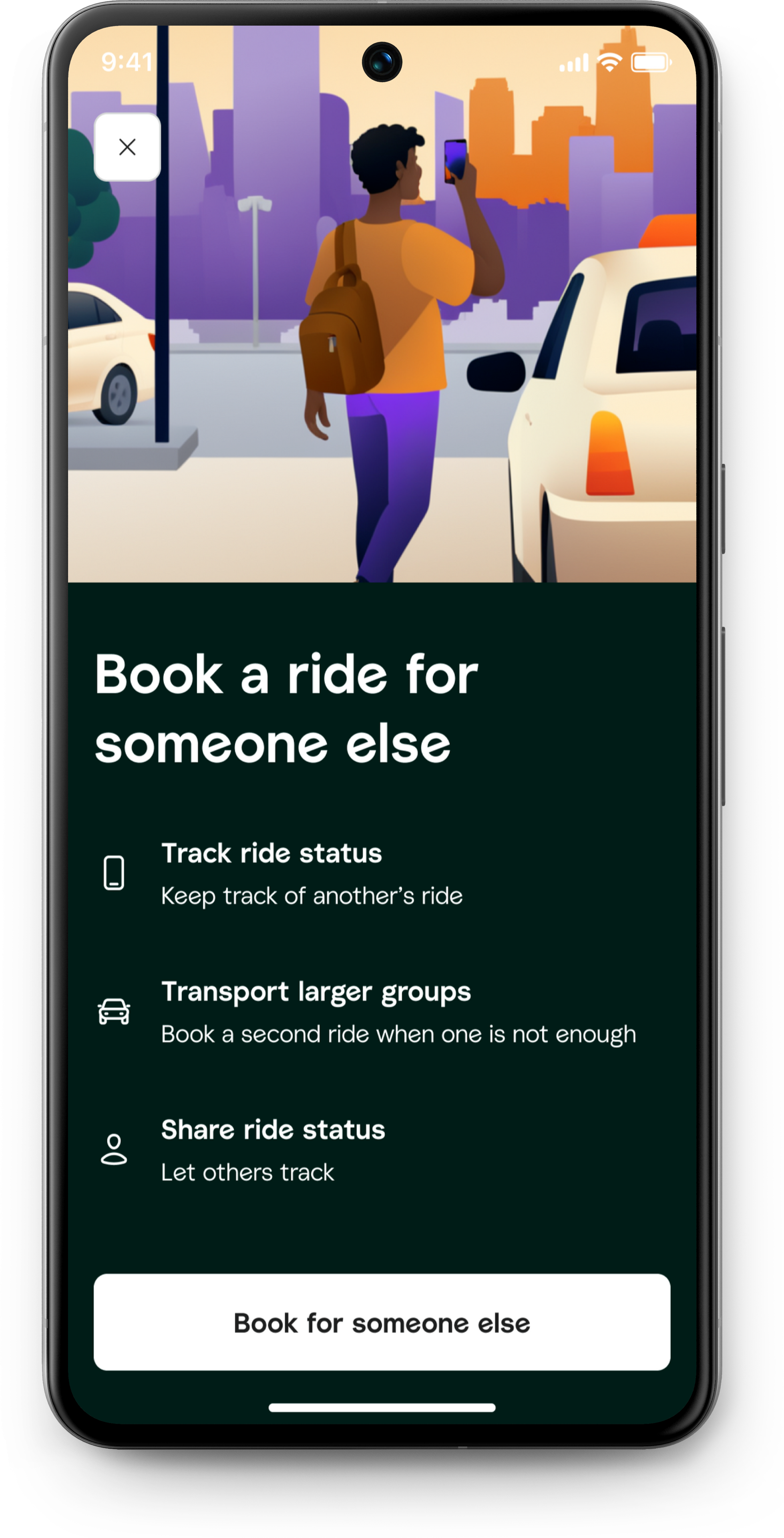
Adding 72 extra safety features
Introducing profiles into the super-app
View all trips and profiles in one place.
Predictive routes and mobility suggestions
More ways to be in control
02
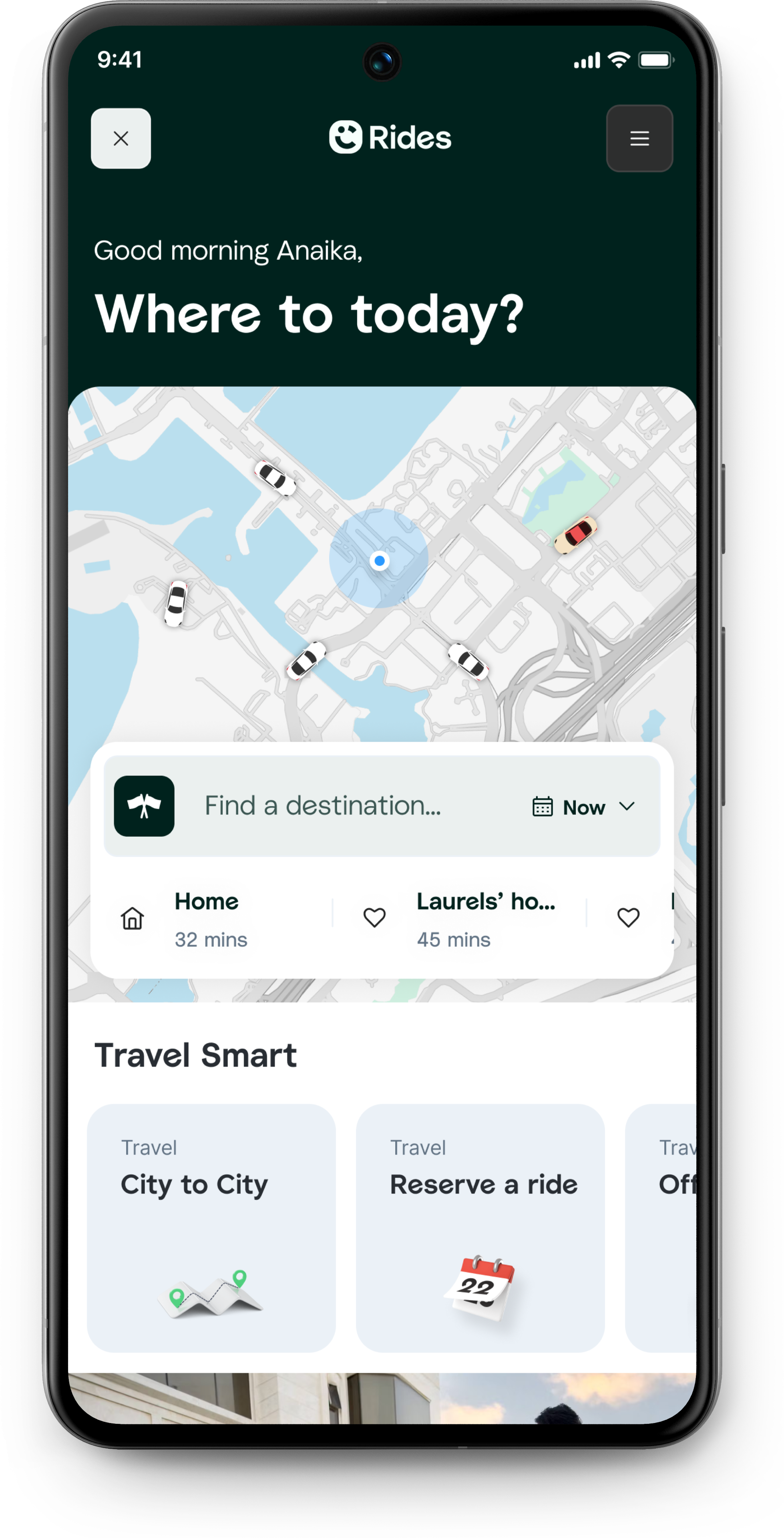
The product adapted to real behaviour
Personalisation was based on usage, not assumptions.
Different users saw different experiences at the right time.
03
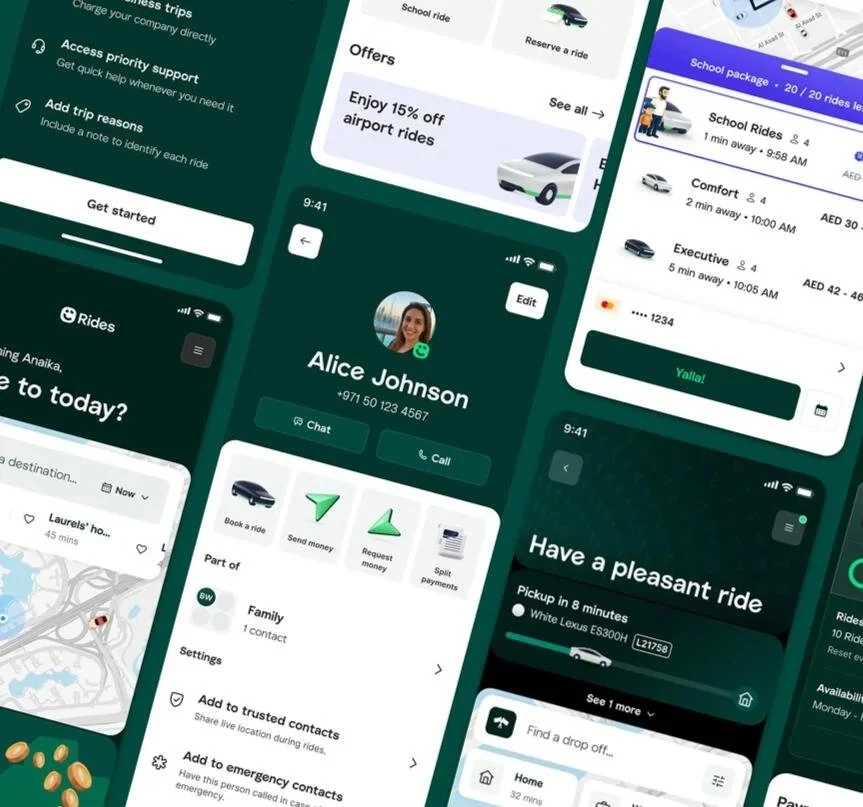
Users have more control over their experience
Safety, visibility and flexibility improved across the journey.
Predicted rides, fewer surprises. More confidence.
AFTER ONE MONTH
10
Markets launched
12%
Increase in rides completion
23%
Fewer driver related cancelations
95%
CSAT scores improved
Rides are not transactions. They are moments where trust either holds or breaks.
WHAT THIS TAUGHT ME
The most important decision happened before a single screen was designed. It was understanding what the problem actually was.
When organisations fall behind, the instinct is to copy what works elsewhere. But those solutions carry different assumptions. Fix the wrong problem and nothing changes, fix the right one and the results compound.