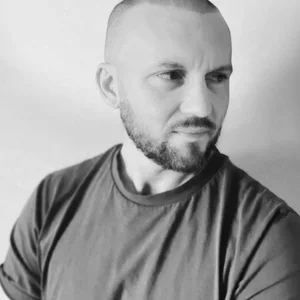
FRACTIONAL DESIGN LEADER • ADVISOR TO FOUNDERS

Build it right before you scale it wrong.

I've spent 20 years watching companies move faster than their thinking and the experience always suffers for it. My job is to close that gap.

LUKE DACEY

VP of design. Fractional leader.
Advisor to founders.

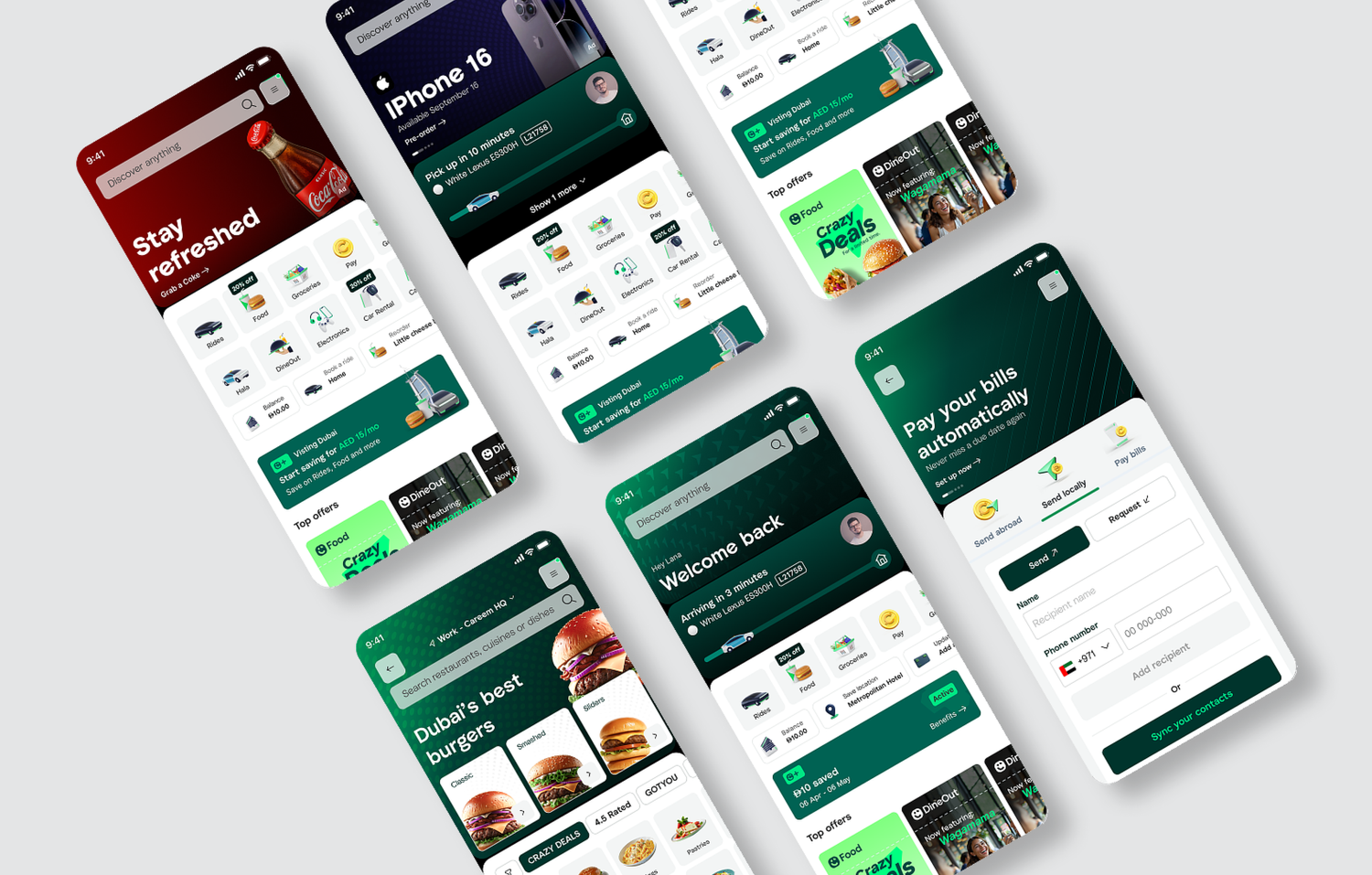
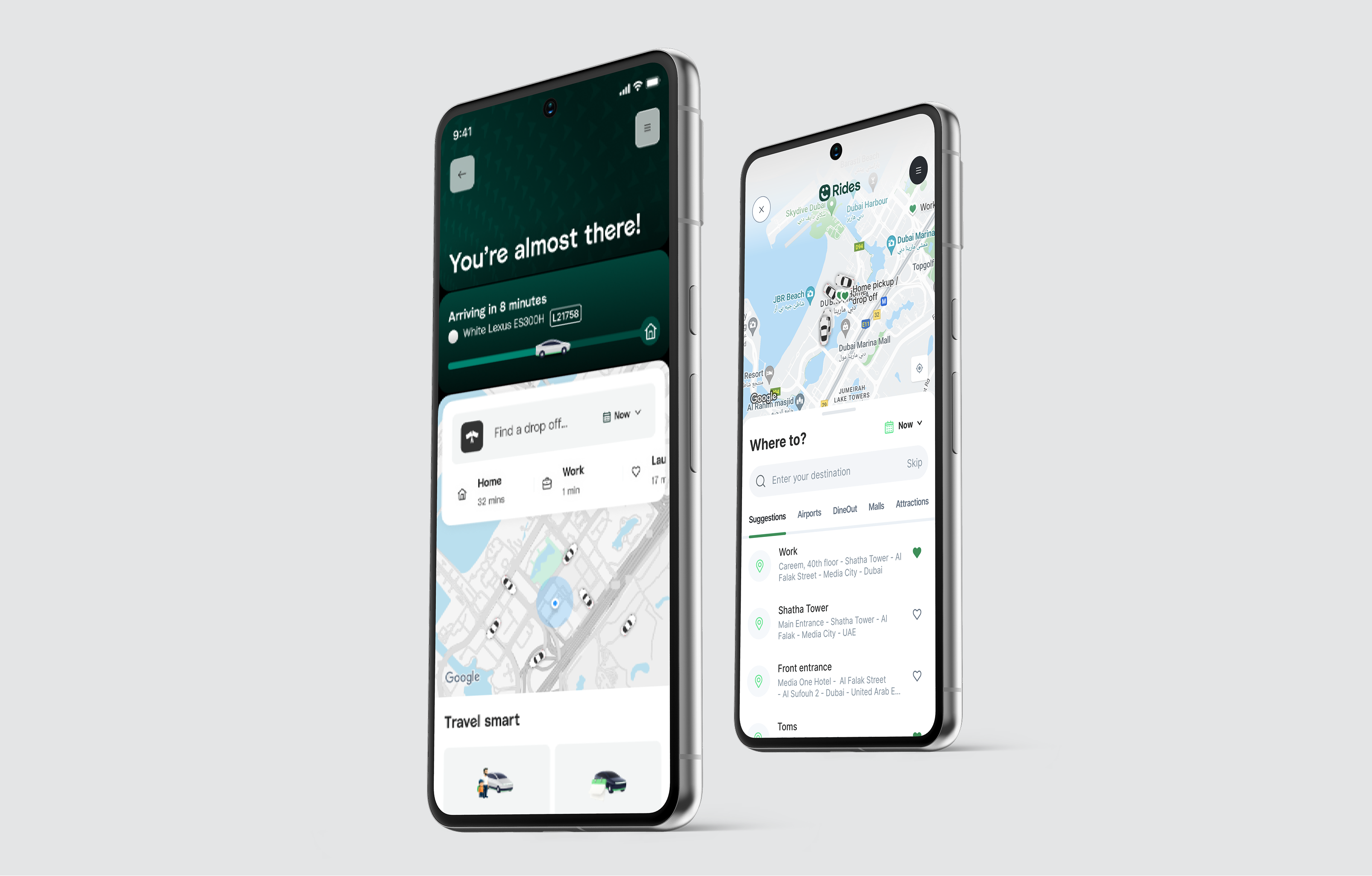
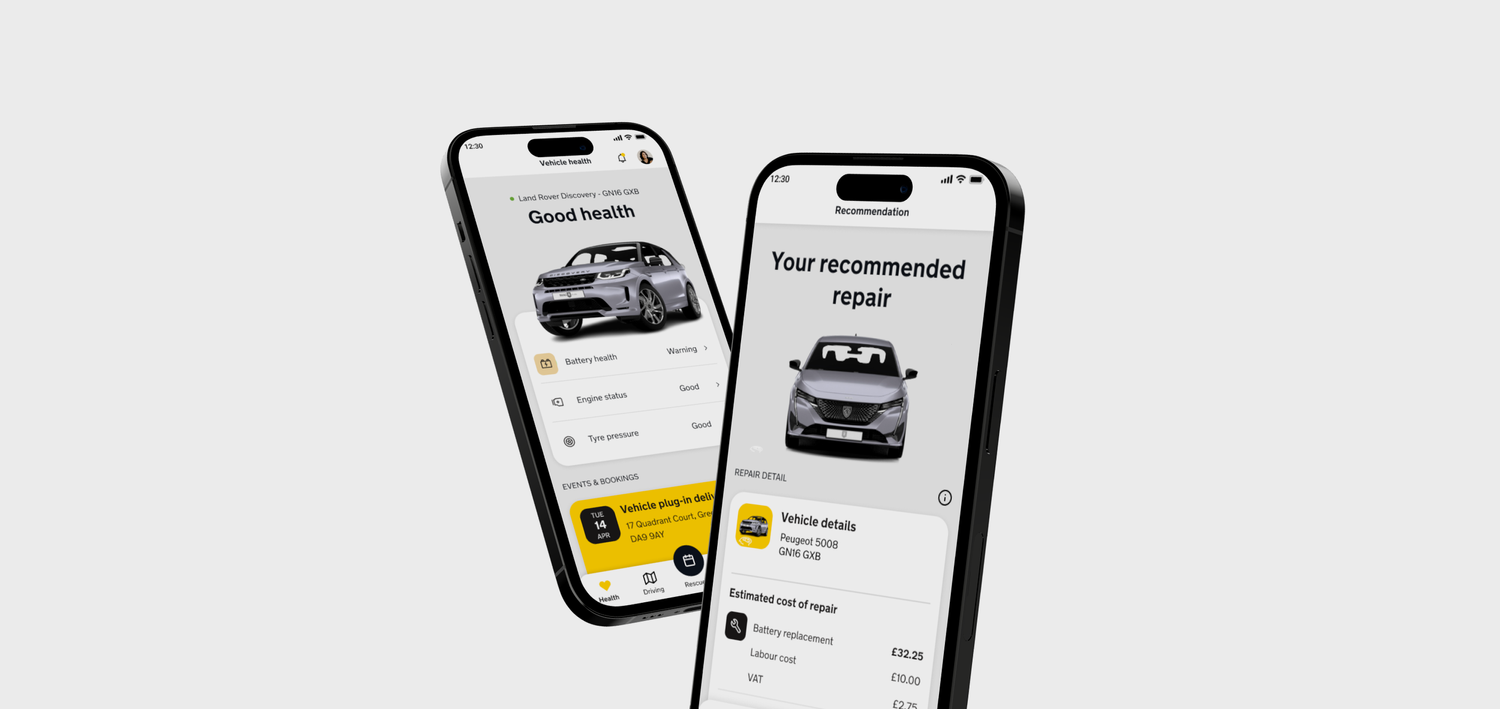
Previously Global Head of Product Design at Careem, leading design across a 70M+ user super-app in MENA. Before that, The AA, consolidating 15 legacy services into a single intelligent platform.

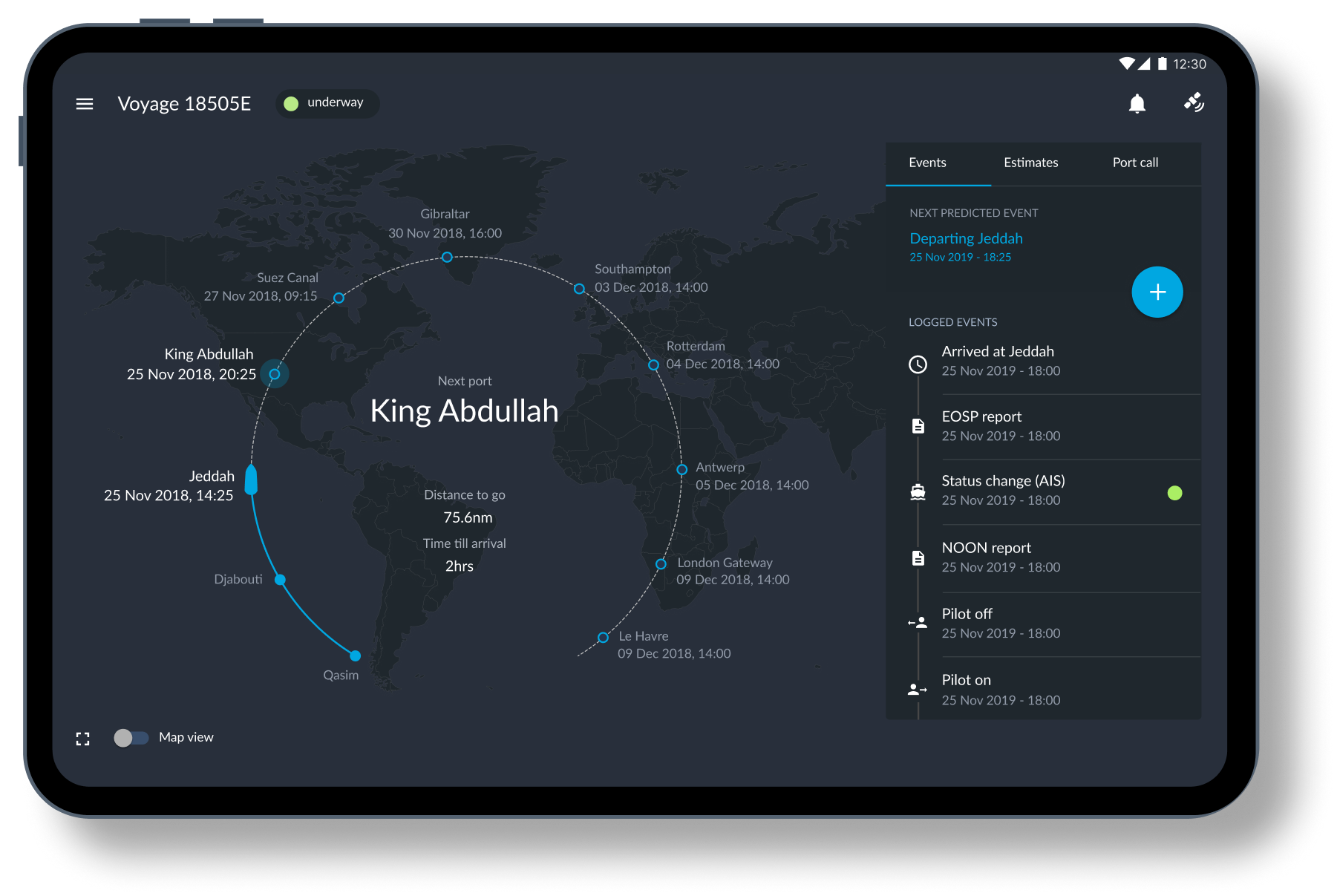
Currently VP of Design at Casim, building an AI-first design organisation for UAE's eInvoicing mandate and taking on select fractional and advisory engagements.

23 years

Working in design, strategy and organisation leadership

70M+

Directed product experiences for 70M+ users across MENA


3 exits

Was the design lead inside three acquired companies

5 orgs

Built and scaled design functions across 5 organisations

For growth-stage teams that need senior design leadership without the commitment of a permanent hire. I embed with your team on a part-time basis, typically 2–3 days per week, covering everything from product direction to execution quality and team development.

Right for you if you're scaling fast and design is being outpaced by growth, you have a gap between your current PM function and design, or you're building something new and need a thought partner who's done it before.


Product direction and strategic design thinking

I work as VP and Head of Design where the challenge matches the moment. I'm most effective where design needs to rebuild its organisational influence, where the product is technically complex, or where a team needs to shift from execution-only to genuine strategic partnership with product and engineering.

Right for you if you need a player-coach leader who stays close to the work, you're entering a period of meaningful scale or platform transformation, or you need design to earn trust and credibility from the ground up.

HOW I ENGAGE

Fractional & advisory


Establishing ways of working and decision frameworks


Interim design leadership while you hire permanently


Founder advisory and partnership at key decision points

Full time leadership roles


Building and scaling design organisations


Design systems, quality culture and execution standards


Hands-on product work alongside team leadership


Cross-functional alignment with product and engineering

Direction before velocity

Shipping fast on the wrong thing compounds the problem. Before we move, I make sure the team agrees on what we're solving, who has authority over the decision, and what good actually looks like. That clarity removes more rework than any sprint process will.

02

Fix the structure, not the symptoms

When teams are frustrated, it's rarely about the designs. It's usually a broken feedback loop, unclear ownership, or design operating too late in the process to have real influence. I diagnose the structural issues first and build the systems that fix them, not the workarounds that mask them.

03

Ship with intent

I stay hands-on alongside leadership work. Not to micromanage, to model what good looks like. Judgement compounds when it's demonstrated, not described. The teams I've built have higher standards because they've seen what deliberate decision-making produces.

WHEN GROWTH ACCELERATES, JUDGEMENT MATTERS MORE THAN SPEED

"Most teams don't need more process. They need someone who can tell the difference between a structural problem and a surface one and act on it quickly."

01

I'm currently VP of Design at Casim, building an AI-first fintech platform from the ground up. That means designing for AI-powered decision flows, not just AI-assisted features — and using AI tools actively across every part of my own workflow.

At Casim, we're designing the UX of financial intelligence: how trust gets communicated when an AI is making decisions on your behalf, how you surface confidence levels without creating anxiety, and how compliance-heavy products become genuinely usable

AI & HOW WORK

AI hasn't changed what I do. It's changed how fast I can do it.

  • Prototyping with real logic. I use Cursor and Claude to build working prototypes so that product and engineering are responding to actual behaviour, not static mockups.

  • Owning more of the frontend. I review production-ready component code, closing the gap between design and engineering isn't a process fix, it's a fluency fix.

  • Designing AI-native experiences. I've developed frameworks for how to make machine decisions feel trustworthy and legible to users.

  • Using AI to shorten the feedback loop. From research synthesis to design critiques to copy exploration. AI compresses the time between the question and the answer. I've rebuilt my entire working method around this.

Design was sidelined. We rebuilt its influence.

Design execution was fast but disconnected from strategy. I led a transformation that rebuilt design's role, restructured the team, ways of working and the culture of how design decisions were validated.

Unifying 15 legacy services into one connected platform.

What it actually takes to turn fragmented legacy into a single coherent platform.

Building everything from scratch when there is no playbook.

How to go from no brand, no design function, no product direction to a full strategic playbook that drives innovation and clarity.

The org said iterate. The research said the problem was different.

How reframing the brief entirely changed what we built and the results that followed.

If you need a design leader who builds clarity, culture & systems that scale - let’s talk.

luke@makeitaconversation.com