
THE AA · 14M+ USERS · UK
15 services, no shared experience. Twelve months to build it.
ROLE
Head of UX Design
I was brought in to define the product, build the design function and deliver the first unified release.
Hired 4 designers · 14M+ users
Research · Product strategy · C-suite & Board alignment · Org design · Designed for 15 services · First release unified 7
SCOPE
27%
Increase in garage bookings in app
43%
Reduction in recovery call outs
18%
Increase in upsell conversion rate
57%
Decrease in customer service call volume
THE PROBLEM
Disconnected services in a market moving toward integrated products. We were falling behind.
The AA built trust around a simple promise - when something goes wrong, we get you out of trouble.
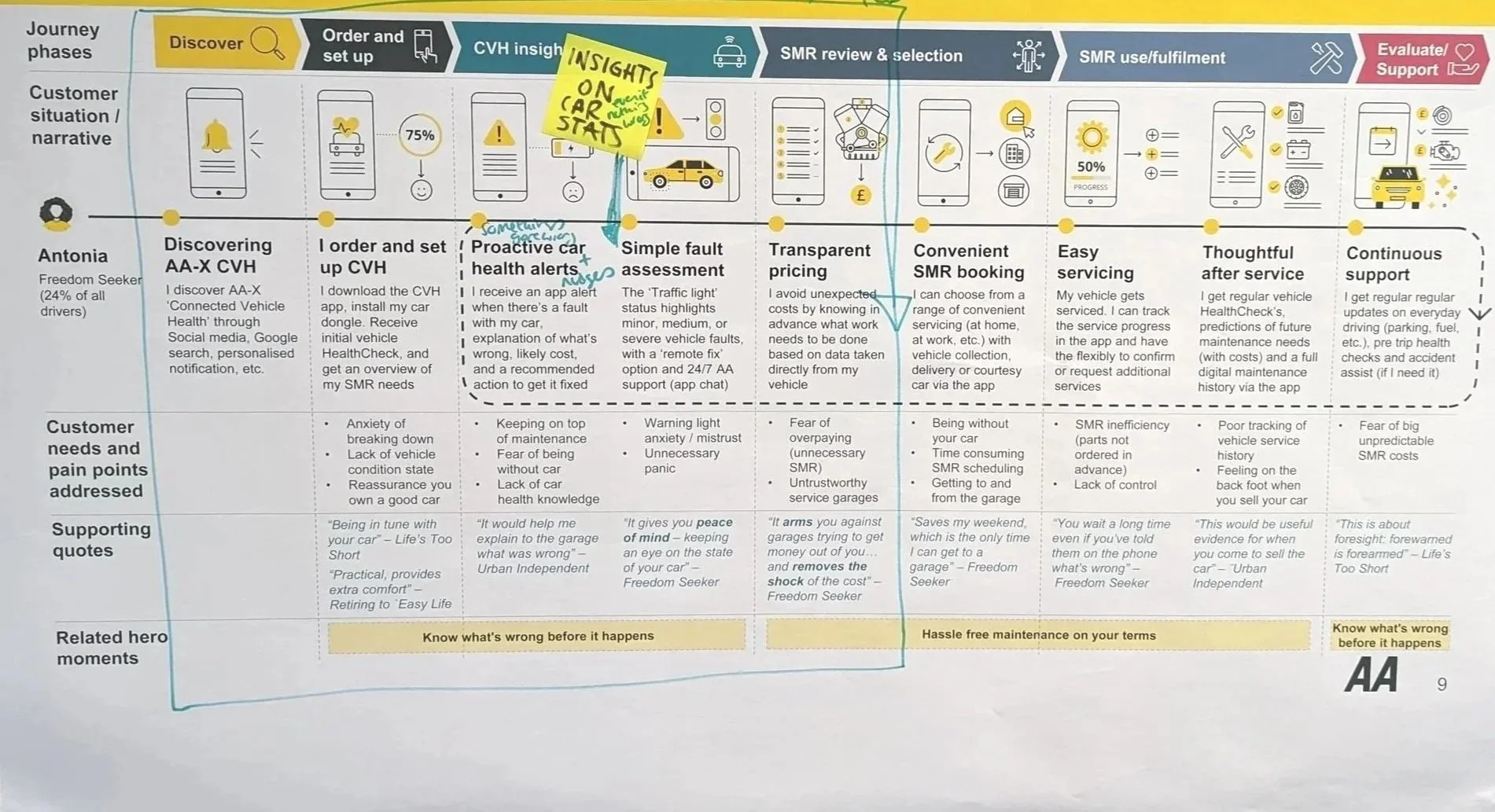
Customers moved from diagnosing issues, to contacting support, to booking repairs across separate services. Each step worked on its own, but what didn’t exist was continuity between them.
The result was repeated effort, inconsistent experiences and a growing gap between what we promised and what customers expected.
THE LEADERSHIP CHALLENGE
Fifteen teams, each with a valid reason not to change.
Every team was right, but the org was wrong.
Regulation, operational complexity and dependency on evolving systems. Individually, each position made sense. Together, they kept the organisation into fragmented.
No one owned the experience end-to-end.
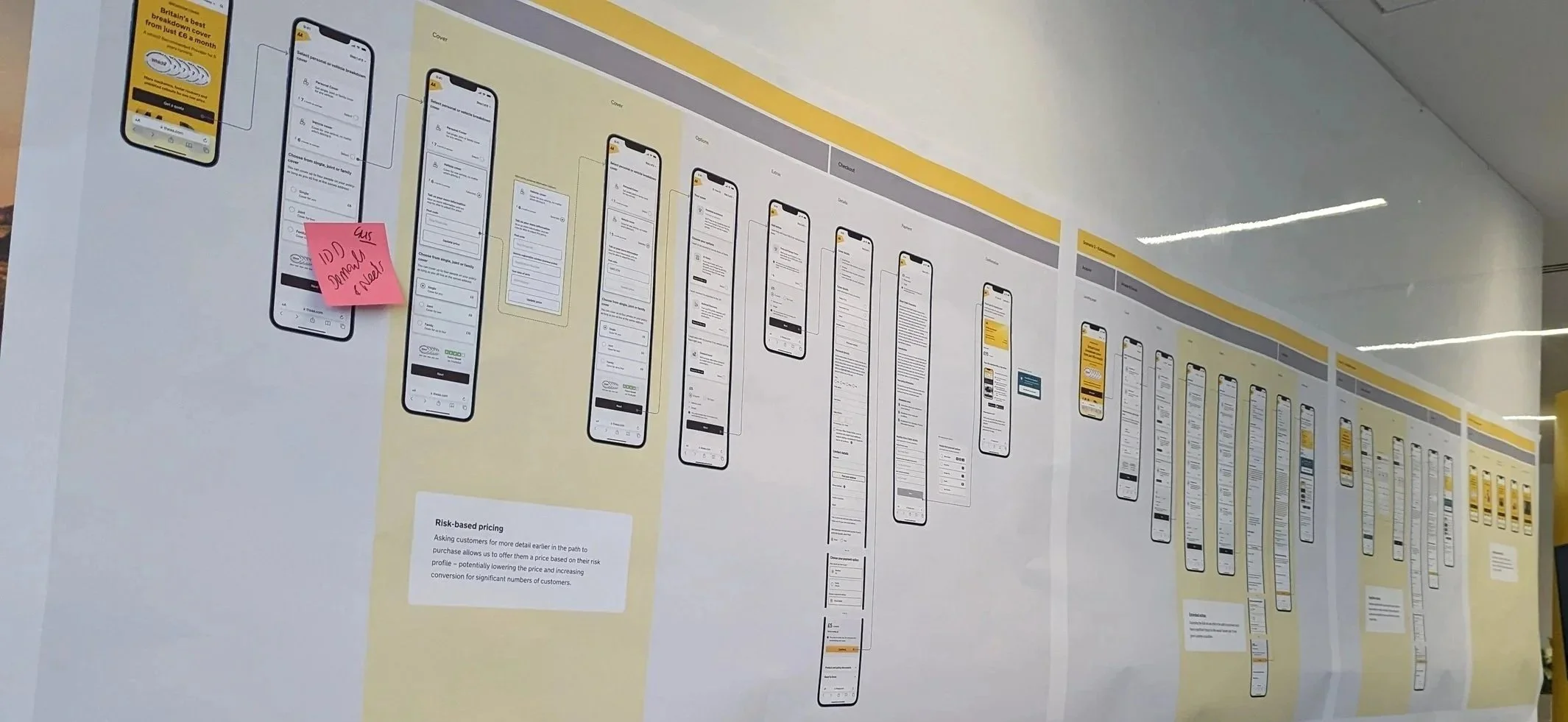
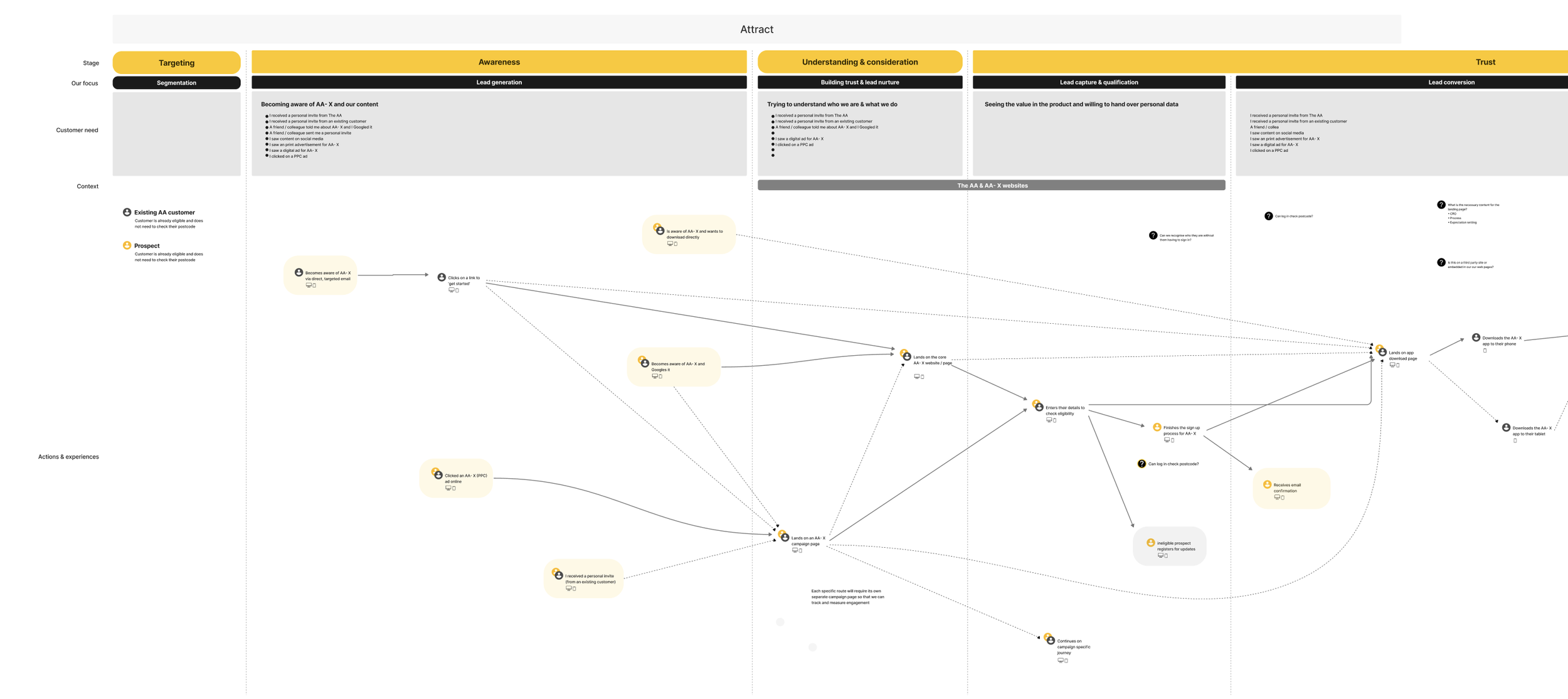
The shift started when stakeholders saw the full journey. Multiple customer calls, multiple apps, sometimes days of waiting and no continuity.
Alignment had to be built, not assumed.
This took weeks of research, working closely with the CEO, CPO and leadership. Not everyone agreed and not everyone was comfortable.
We needed to invest early, to reduce cost later.
Driving a shared view changed the conversation, unlocked budget and created space for a prioritised platform approach.
THE STRATEGIC SHIFT
We stopped optimising services and started building a product.
There was no design function when I joined.
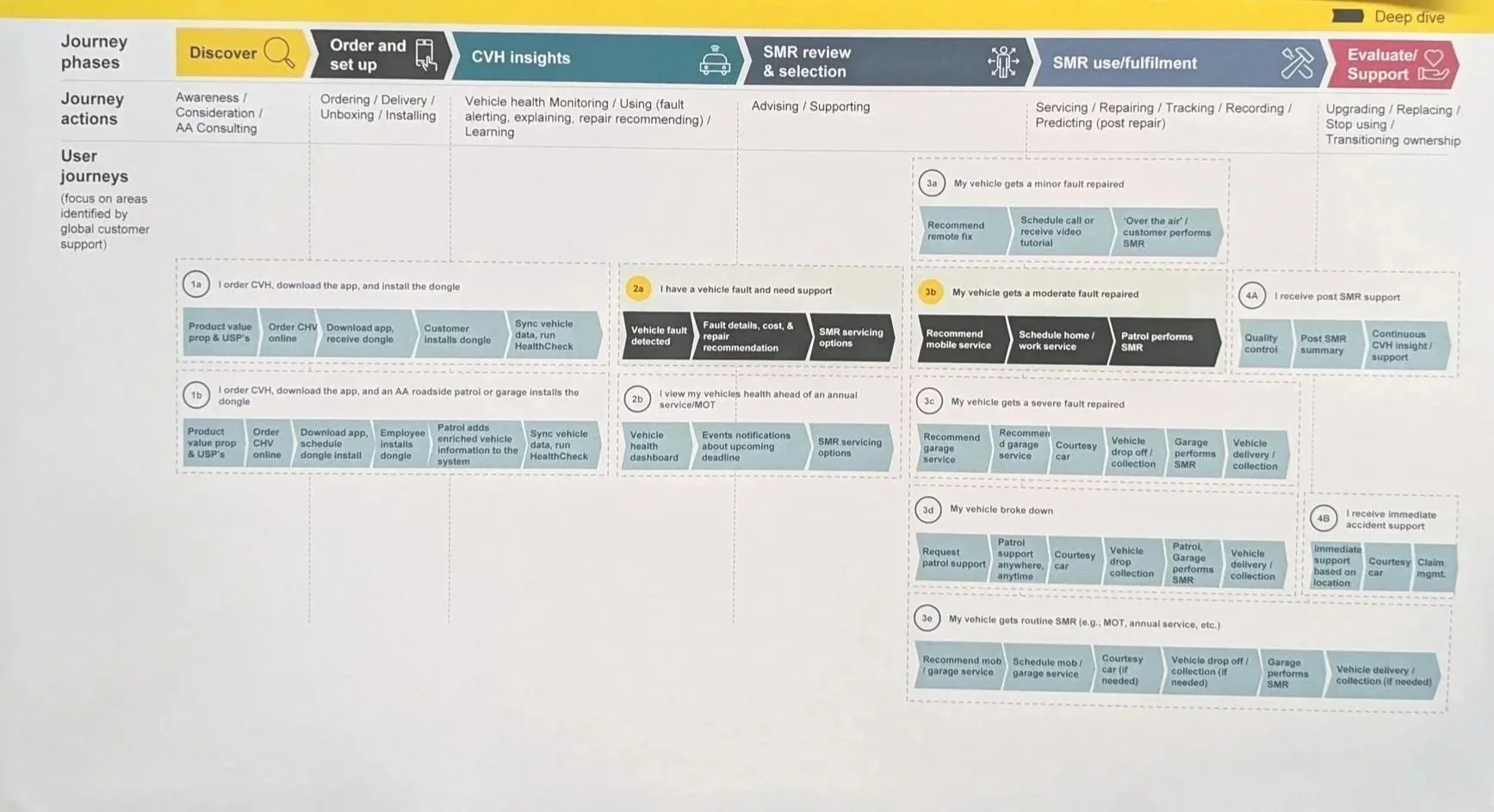
I defined how research informed decisions, how design operated, and how teams worked together. Weeks with customers came before any internal solution.
Platform thinking was set from the start, not retrofitted later. The first release unified seven services into a single connected experience.
WHAT CHANGED FOR CUSTOMERS
A connected ownership experience, not a set of services.
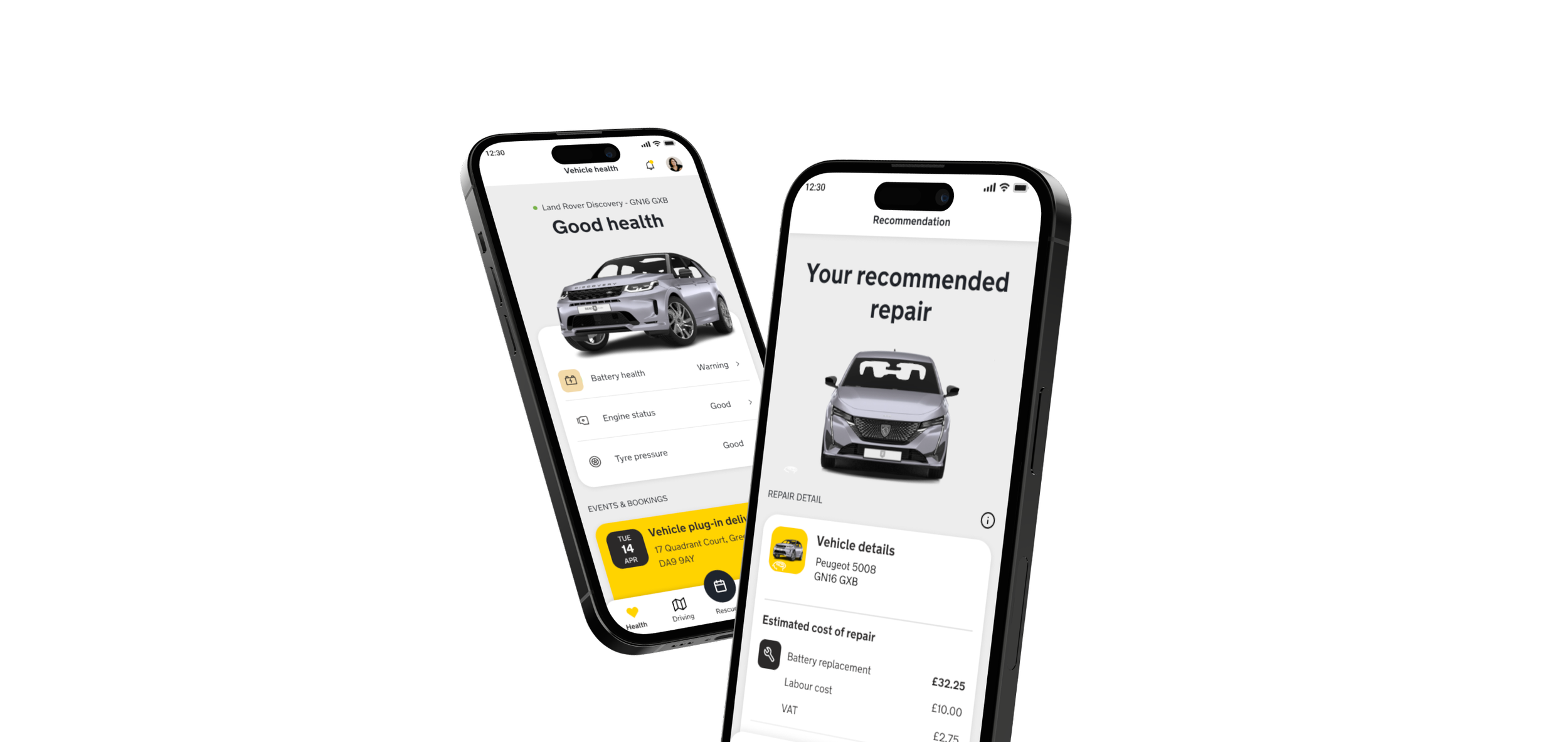
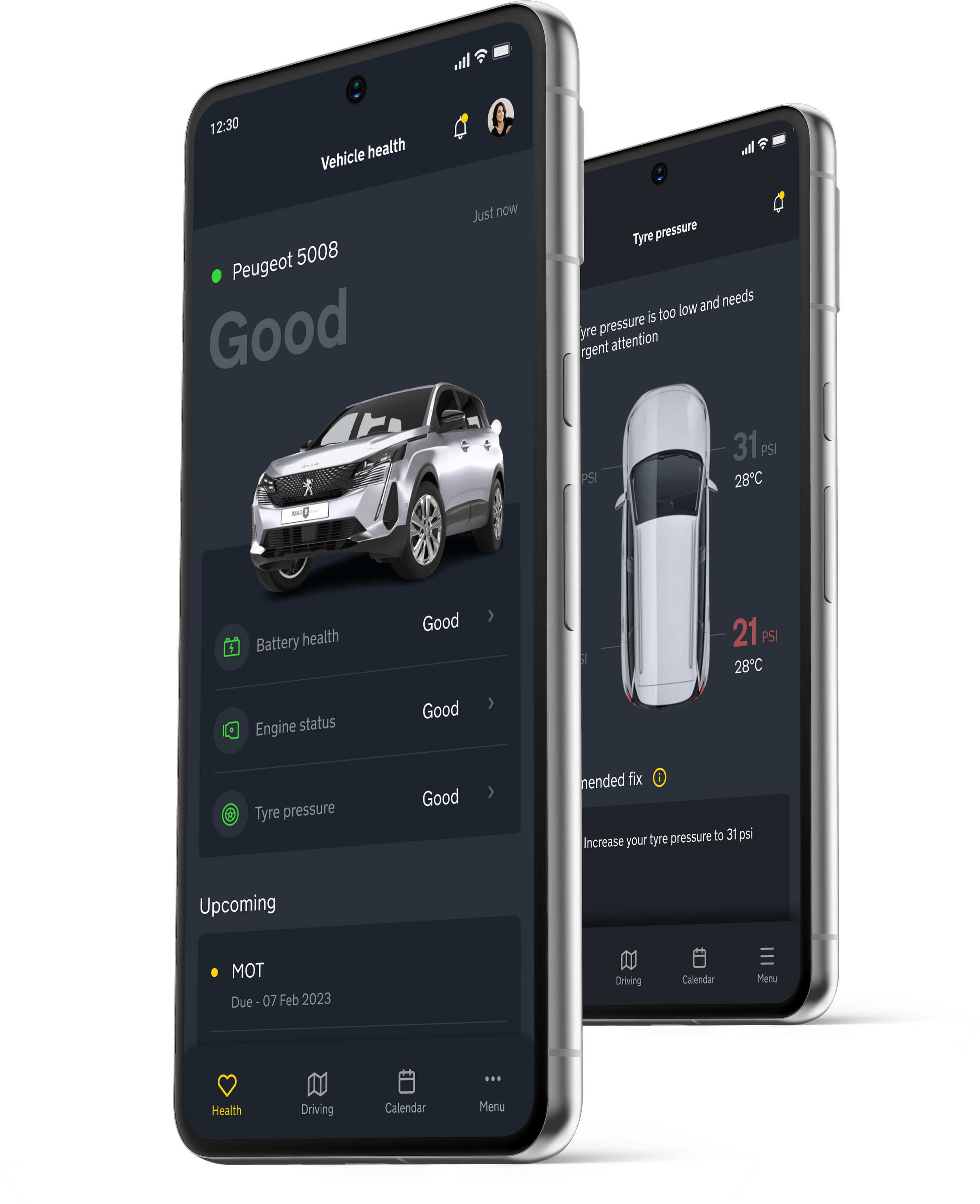
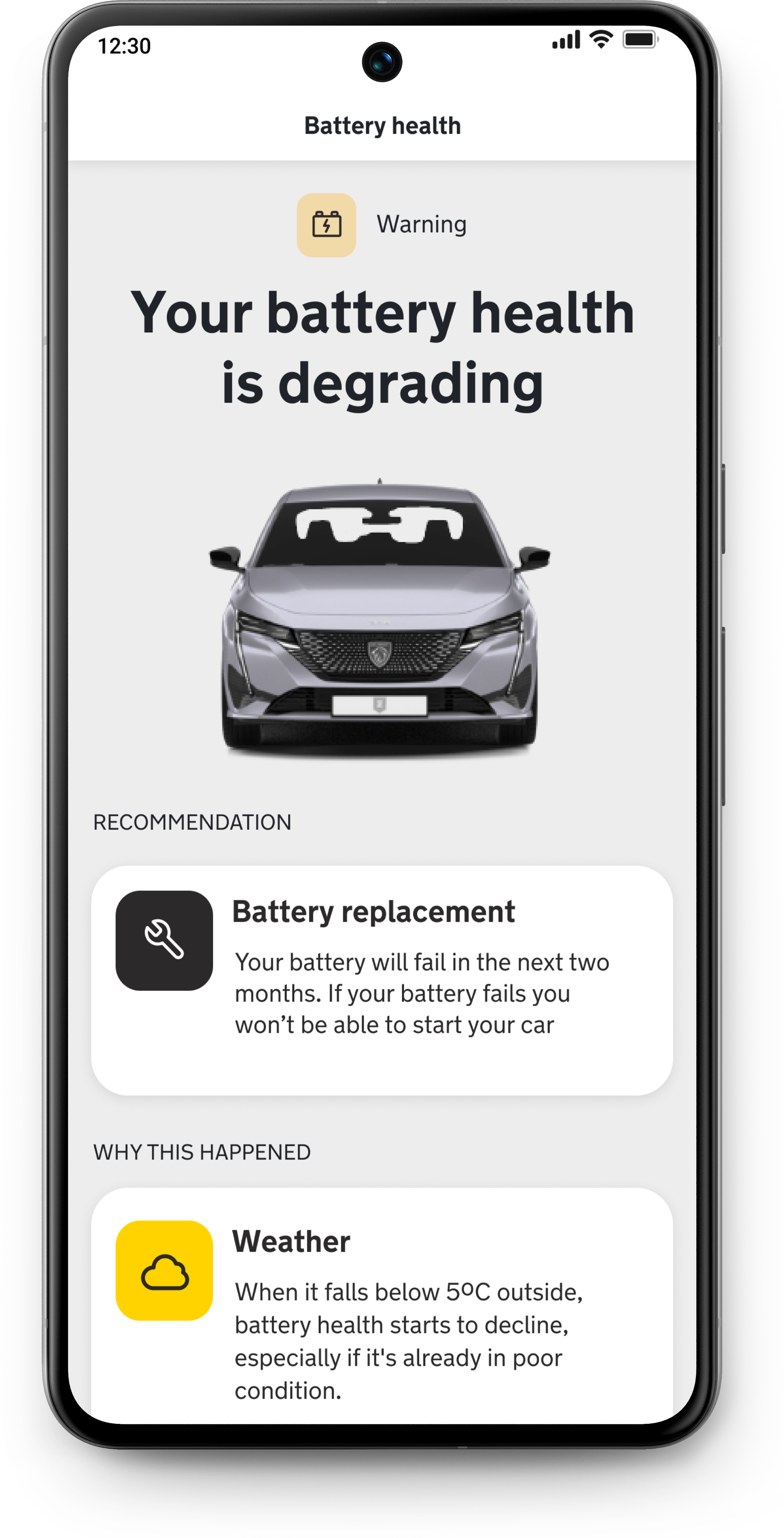
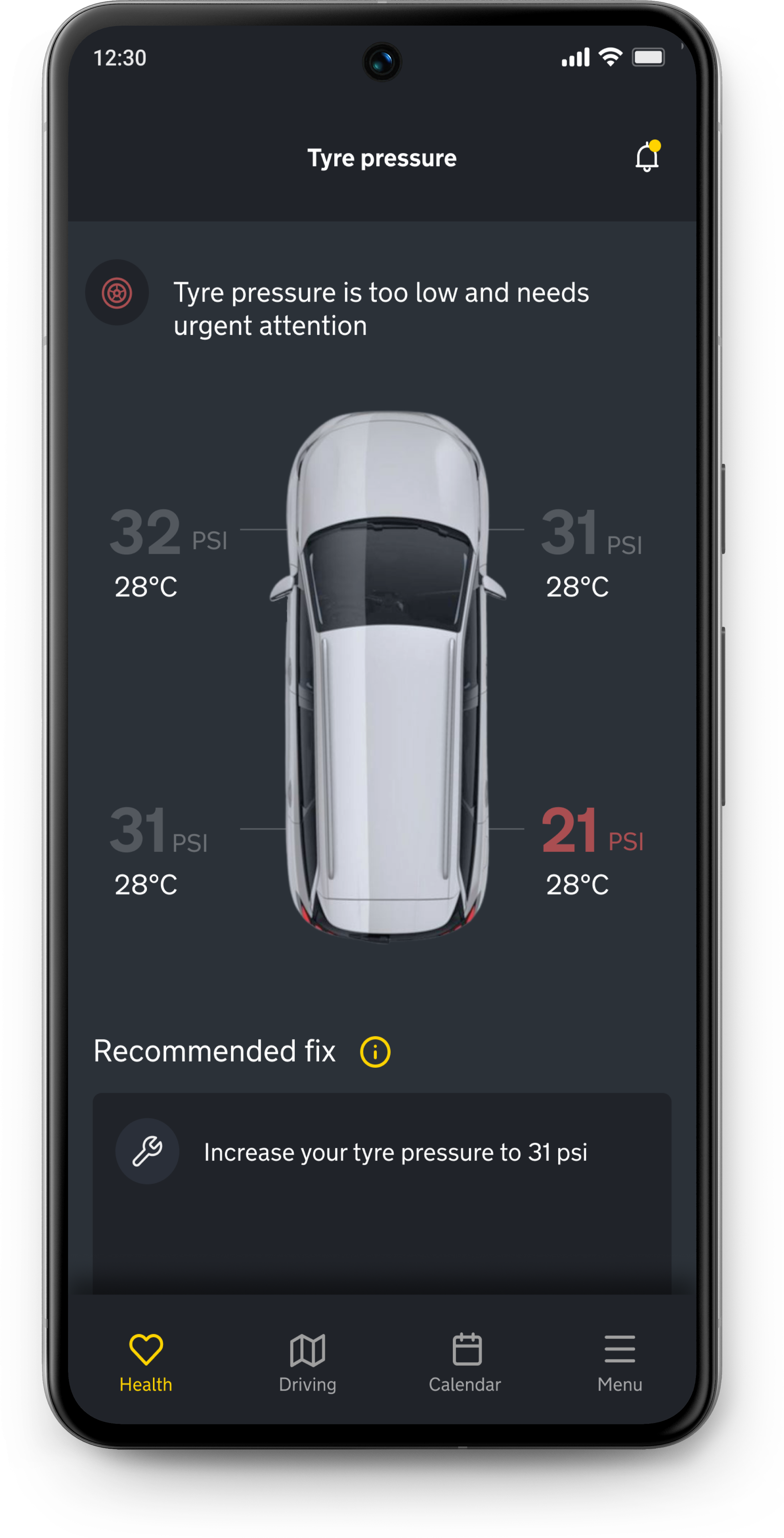
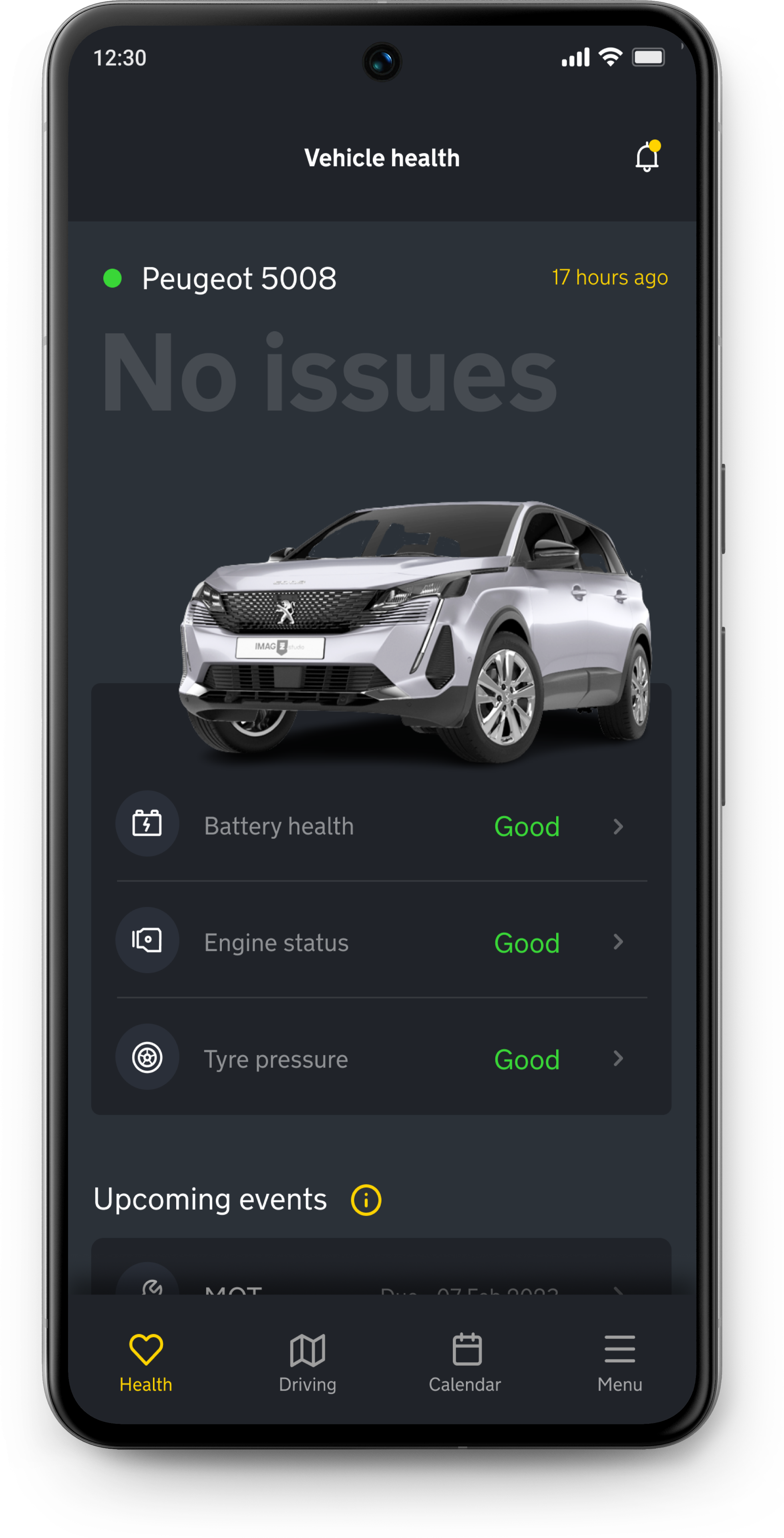
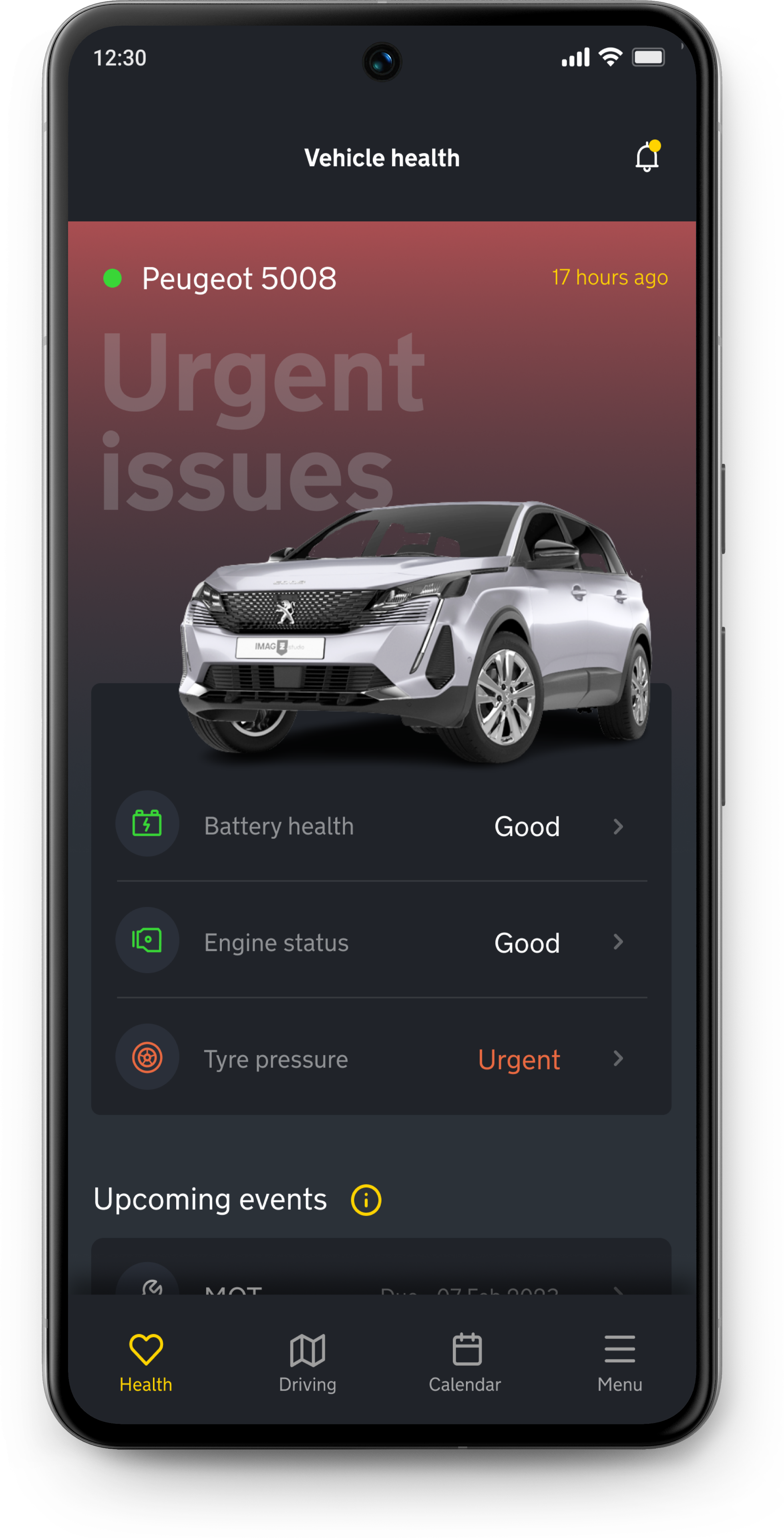
AA-X was designed as an intelligent ownership system rather than a portal linking services.
We designed for the full 15 services, but scoped the first build to the seven that gave the highest immediate value, creating experiences that never existed before.
01
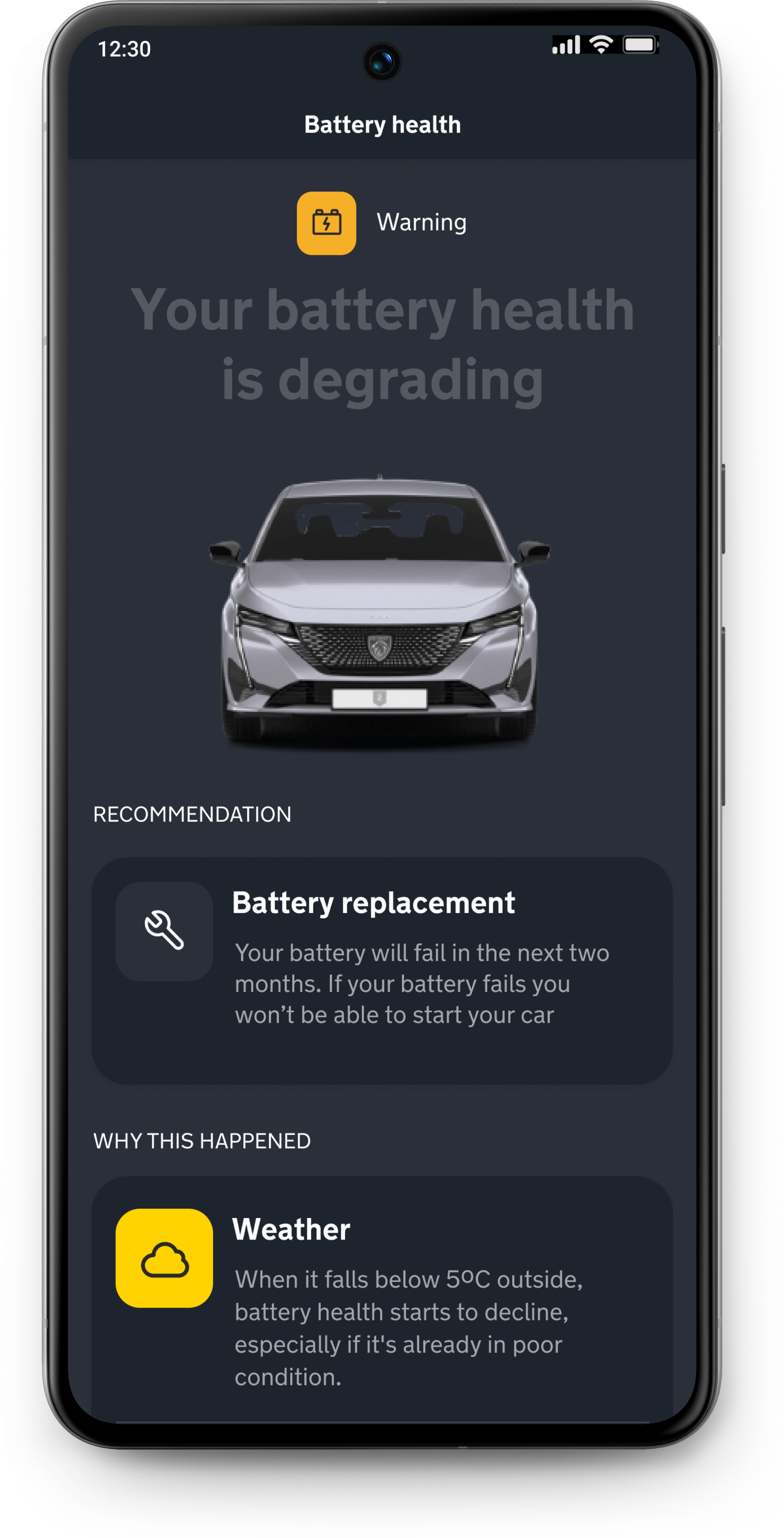
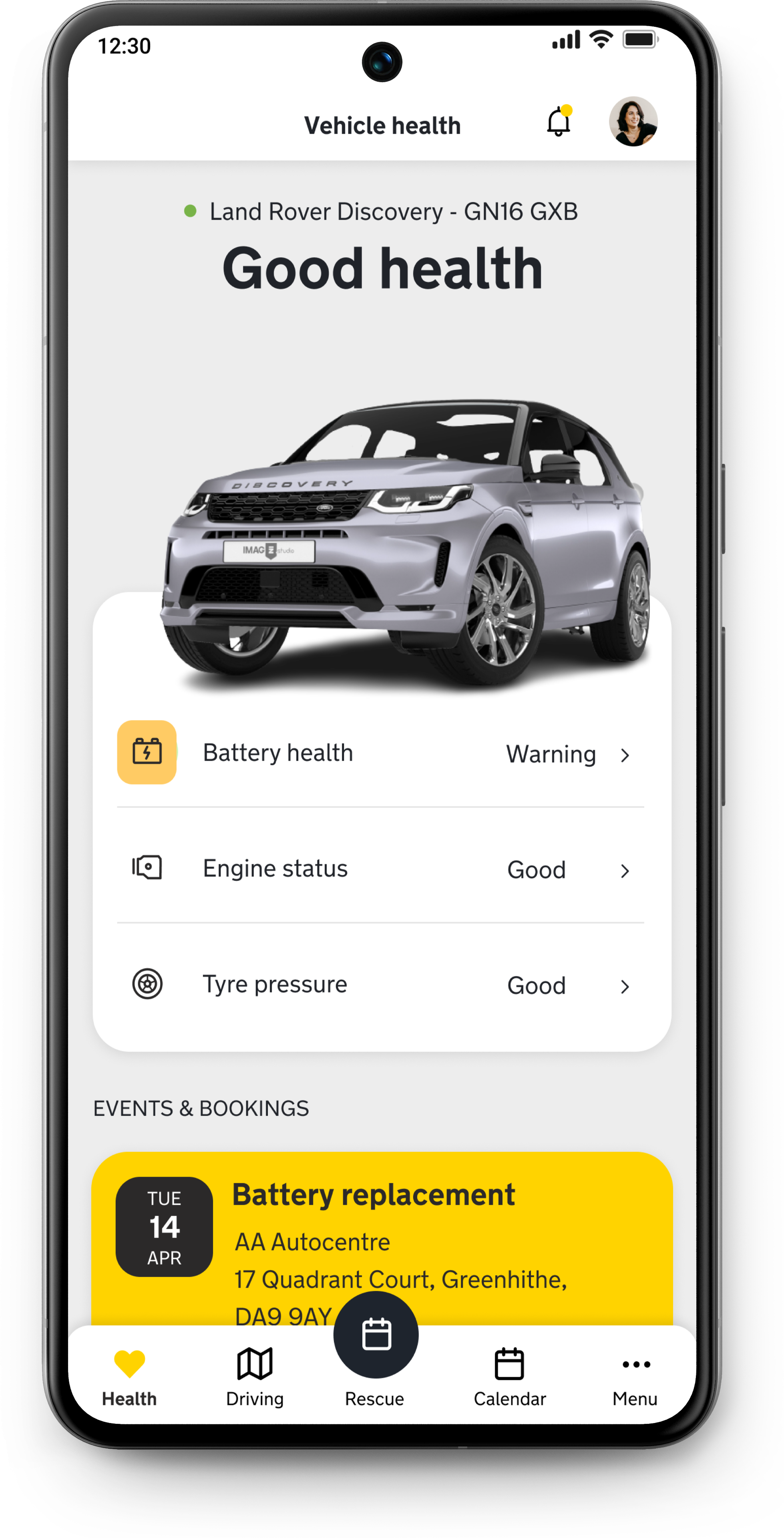
Problems are identified in real-time before they become breakdowns
Issues are resolved earlier, reducing cost and stress.
02
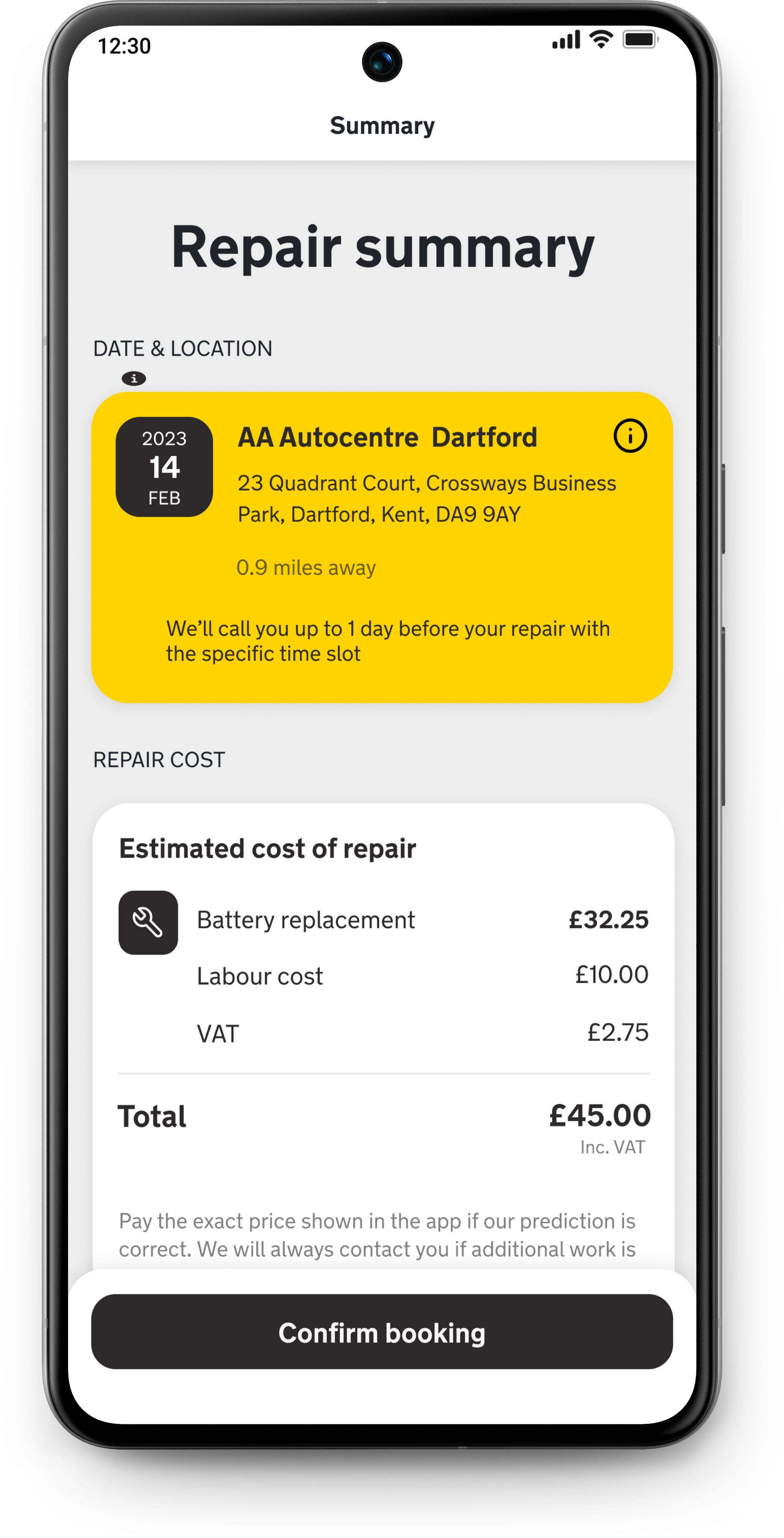
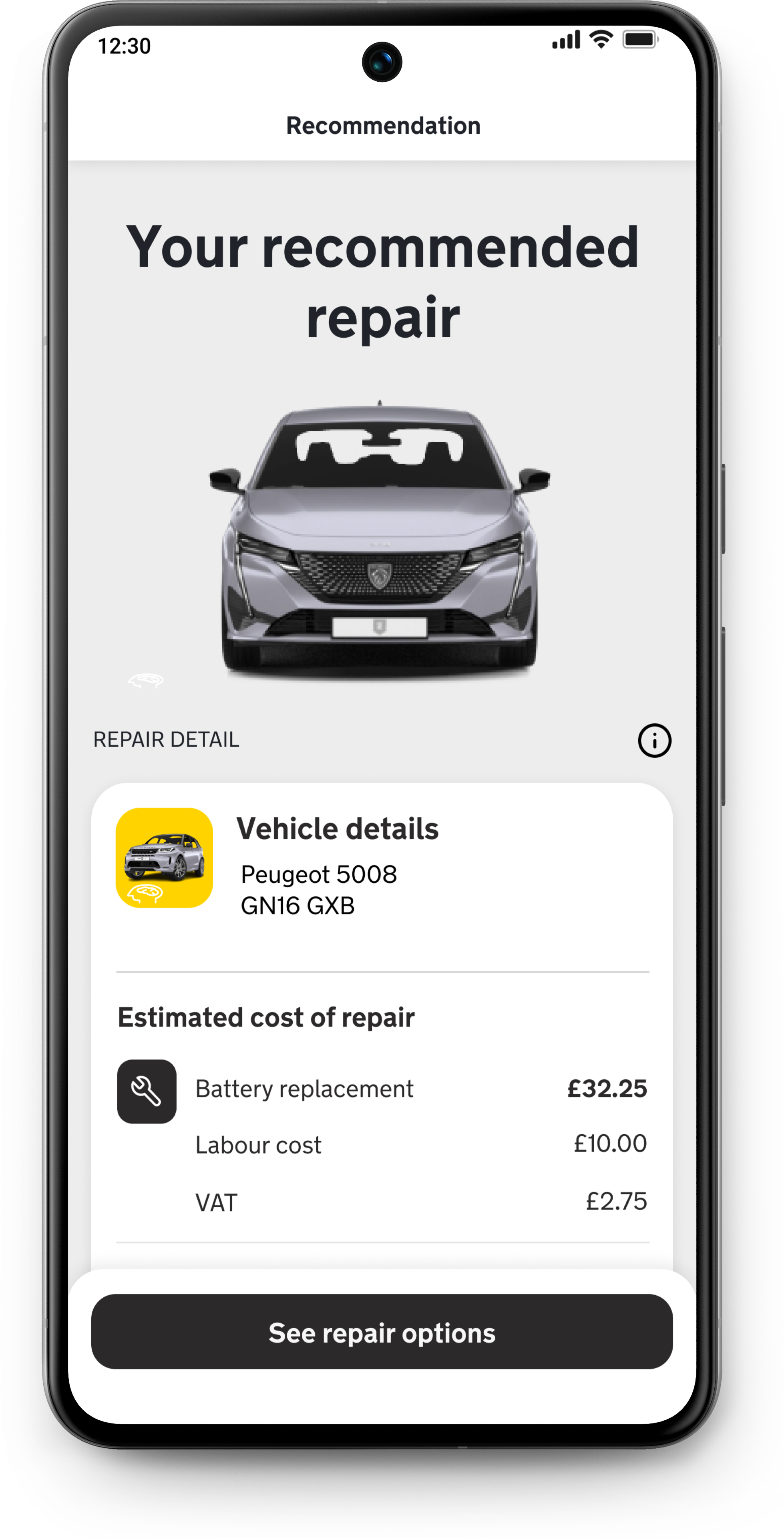
Users are guided from problem to action
Clear next steps remove confusion and build confidence.
03
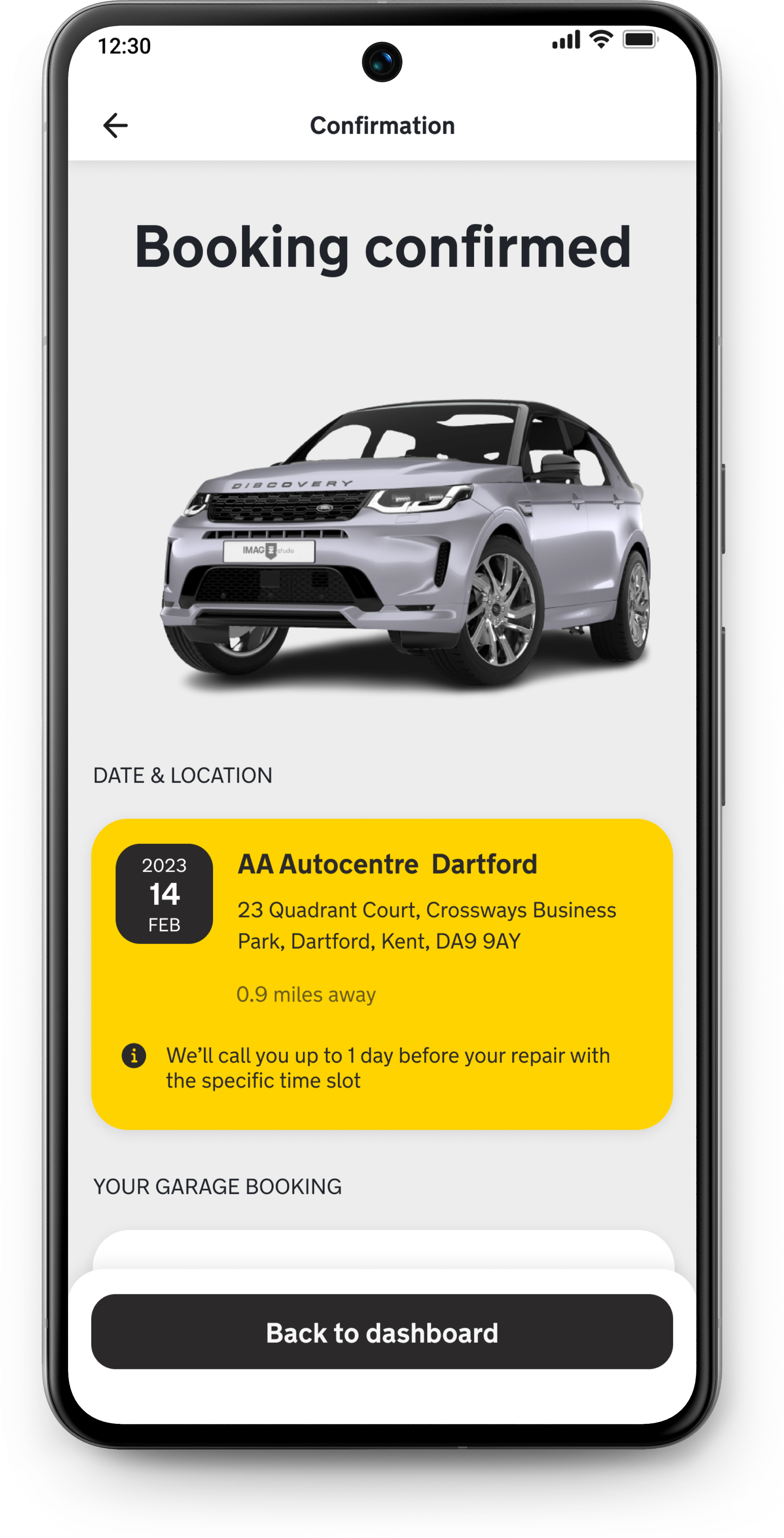
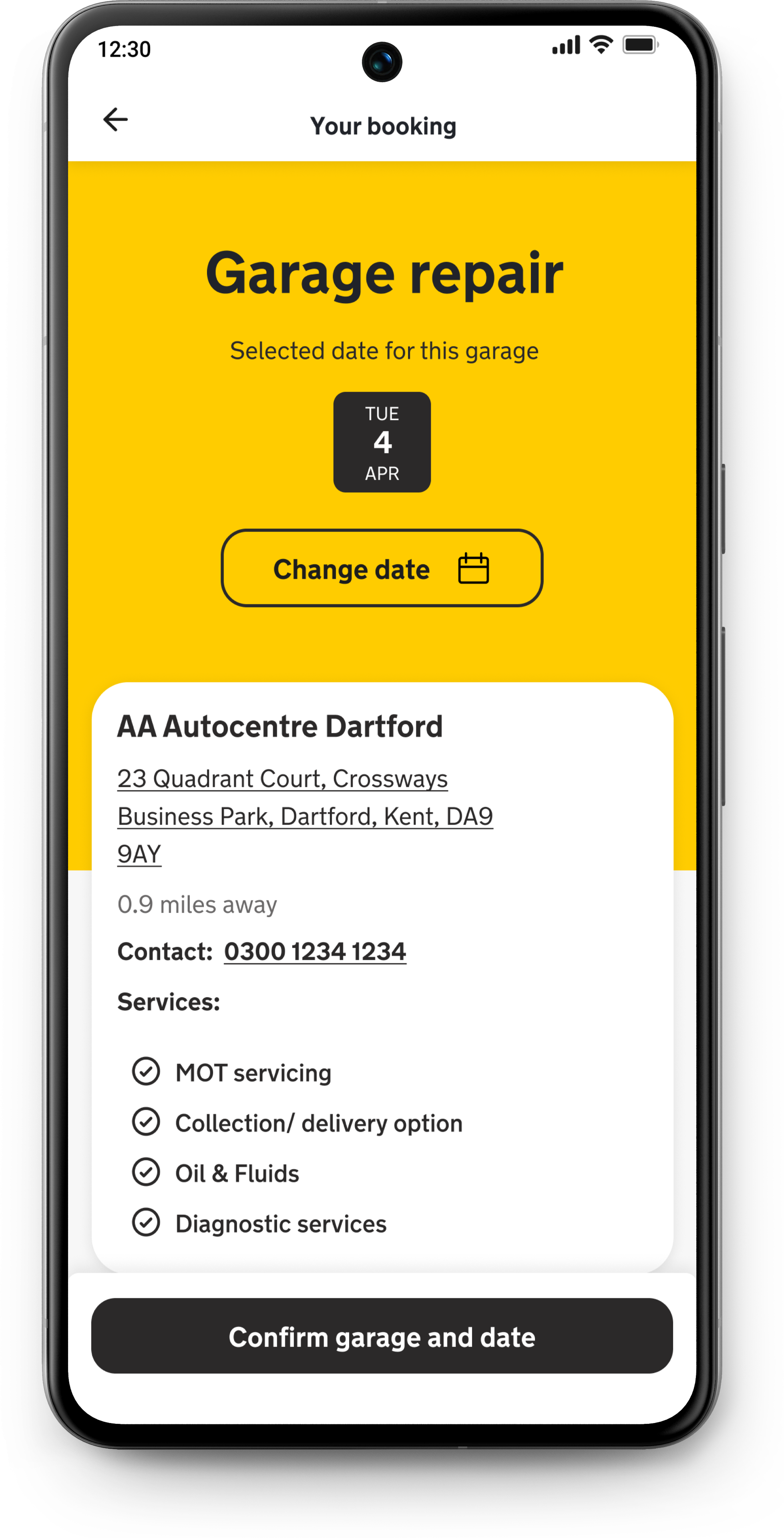
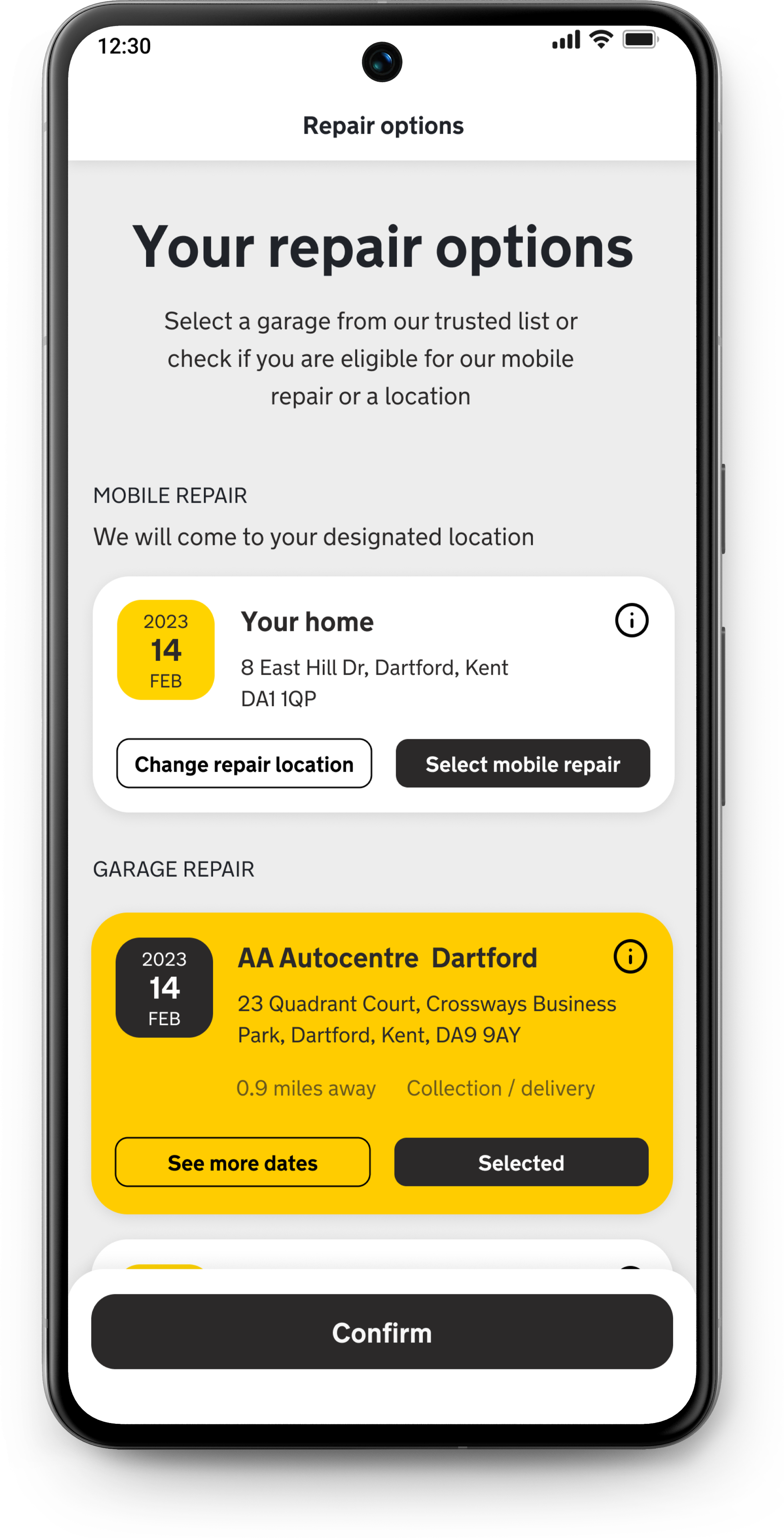
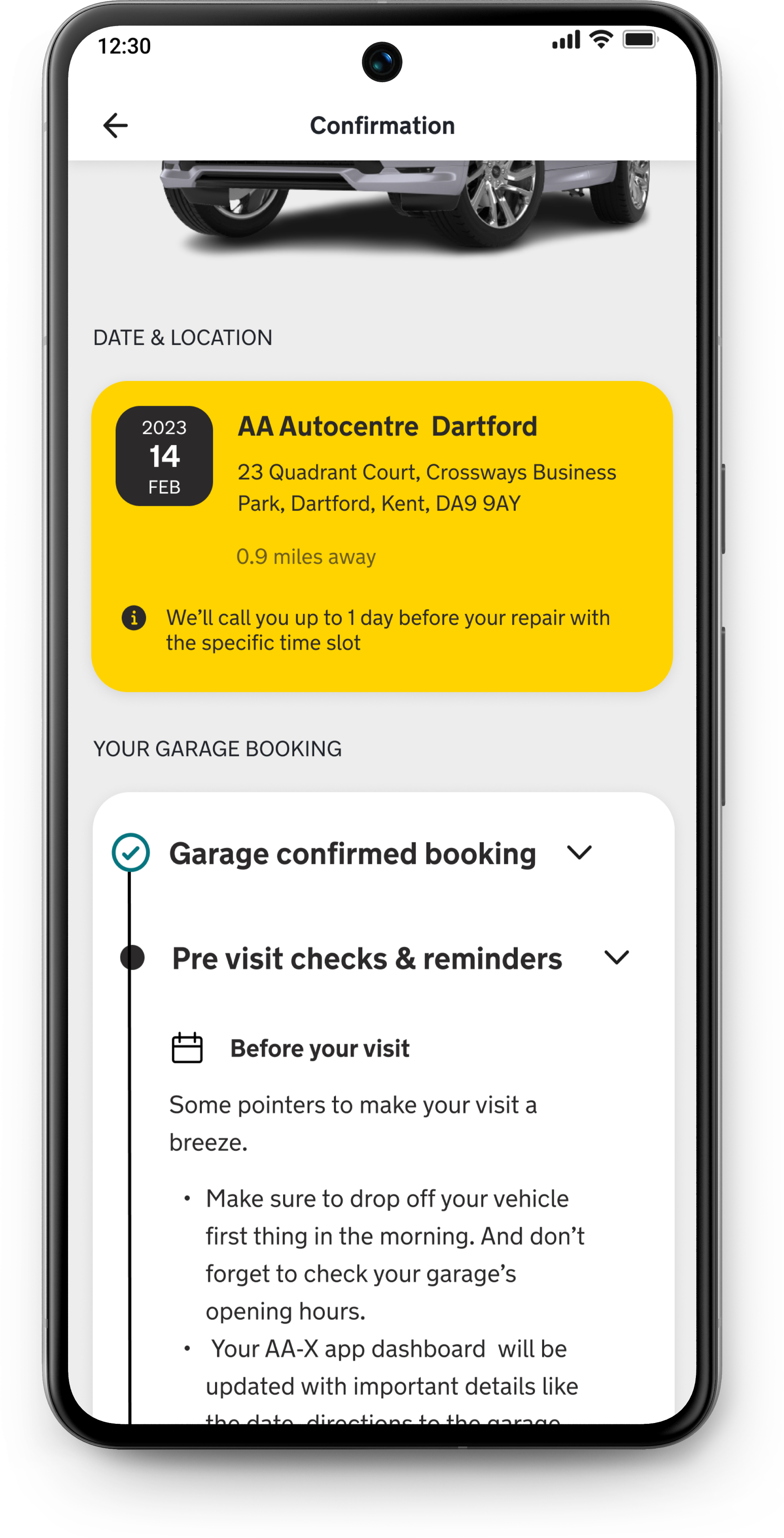
Recovery and repair work as one journey
Customers no longer move between disconnected services.
04
Trust is maintained across the full experience
Moments of stress become moments of reassurance.
27%
Increase in garage bookings in app
43%
Reduction in recovery call outs
18%
Increase in upsell conversion rate
57%
Decrease in customer service call volume
WHAT THIS TAUGHT ME
Fragmentation breaks trust faster than bad design.
“Research did not just inform design, it aligned the organisation”
The challenge wasn’t building the product. It was getting fifteen teams to agree to build the same one.
When we got the product matched the promise and meet customer expectation, the metrics followed.